You are hereby notified that the Annual Meeting of the Greater Lowell Community Foundation is scheduled for June 9, 2026, at 6:00 PM at Coburn Hall, UMass Lowell, 850 Broadway St, Lowell, MA 01854.
The Governance and Personnel Committee nominates the following individuals to fill three vacancies on the Board of Directors:
Marie Beam
Jeffrey Bush
Mouli Ramani
The Governance and Personnel Committee also nominates the following individuals for a one-year term extension on the Board of Directors:
Andrea Batchelder
Susanne Beaton
Charles Comtois
Stephanie Cronin
Karen Frederick
Eric Healy
Ben James
Michael King
Andrew Macey
Patti Mason
Glenn Mello
Diana Nguyen
Shiela Och
JuanCarlos Rivera
Brian Stafford
Jay Stephens
Chet Szablak
END OF NOTICE
/wp-content/uploads/2022/05/Logo.png00glcf/wp-content/uploads/2022/05/Logo.pngglcf2026-05-25 09:27:382026-05-27 12:13:46A notice to all Members of the Greater Lowell Community Foundation
The Women Working Wonders Fund (WWWF), a permanently endowed fund of the Greater Lowell Community Foundation, requests proposals for this year’s grant cycle that opens on May 11. The Women Working Wonders Fund will award five (5) grants of up to $15,000 each to programs/projects that impact the lives of women and girls while advancing an organization’s mission.
WWWF provides annual grants in three key areas: assisting women in transition, providing leadership development for women and girls, and contributing to the beautification of the environment benefitting women and girls. Started in 2004 by a group of 72 women who each gave $500, the WWW Fund has now grown to more than $1.5 million. Since its inception, WWWF has distributed grants totaling over $500,000, creating positive change in countless lives in Greater Lowell.
Established in 1997, the Greater Lowell Community Foundation (GLCF) is a philanthropic organization comprised of more than 400 funds dedicated to improving the quality of life in 21 neighboring cities and towns. With financial assets of almost $60 million, GLCF annually awards grants and scholarships to hundreds of worthy nonprofits and students. It is powered by the winning combination of donor-directed giving, personal attention from Foundation staff, and an in-depth understanding of local needs. The generosity of our donors has enabled the Community Foundation to award more than $35 million to the Greater Lowell community.
###
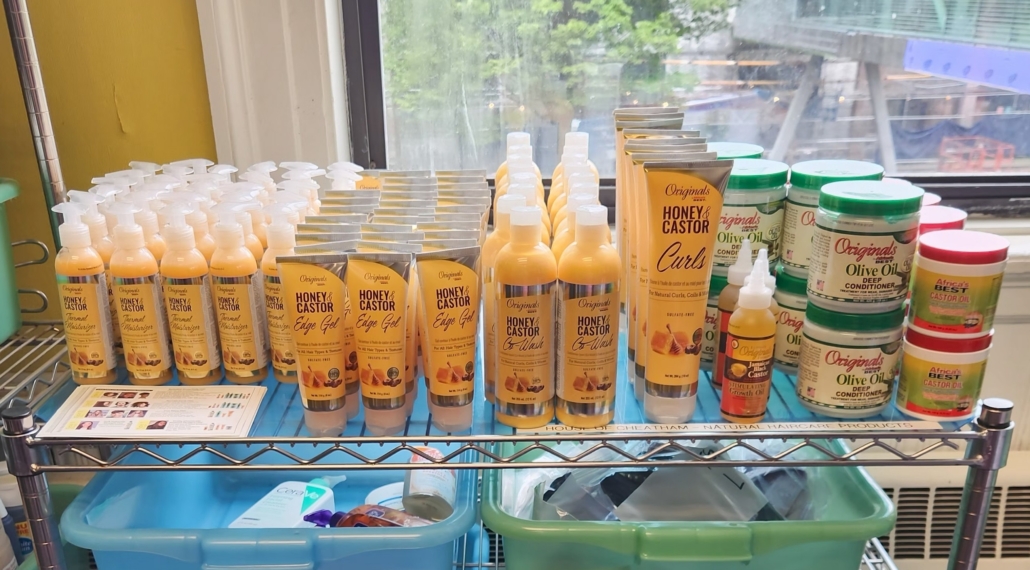
CAPTION: Funding from the 2024 WWW Grant allowed Catie’s Closet to deliver specialized hair care products to 800 girls across 4 schools.
/wp-content/uploads/2022/05/Logo.png00glcf/wp-content/uploads/2022/05/Logo.pngglcf2026-05-18 12:42:592026-05-18 12:44:24Women Working Wonders Fund Seeks Request for Proposals for 2026 Grant Cycle
CHELMSFORD, MA – The Greater Lowell Community Foundation (GLCF) gathered more than 100 guests at the Chelmsford Center for the Arts on Tuesday, May 5, for the Arts Elevate Showcase — a celebration of the program’s inaugural Embedded Community Artist pilot and a look ahead to its next chapter.
The evening brought together funder partners, community leaders, nonprofit organizations, and artists to witness student work from four pilot residencies and hear firsthand how professional artists — embedded inside community organizations this past fall — sparked connection, creative agency, and wellness outcomes among Greater Lowell youth. “What you’re about to see tonight is real,” Jay Linnehan, President and CEO of the Greater Lowell Community Foundation shared in his opening comments. “It’s not a concept or a theory. It’s what happens when you trust communities, trust artists, and trust young people to create something together. Relationship comes first. The art follows.”
An Evening of Stories and Art
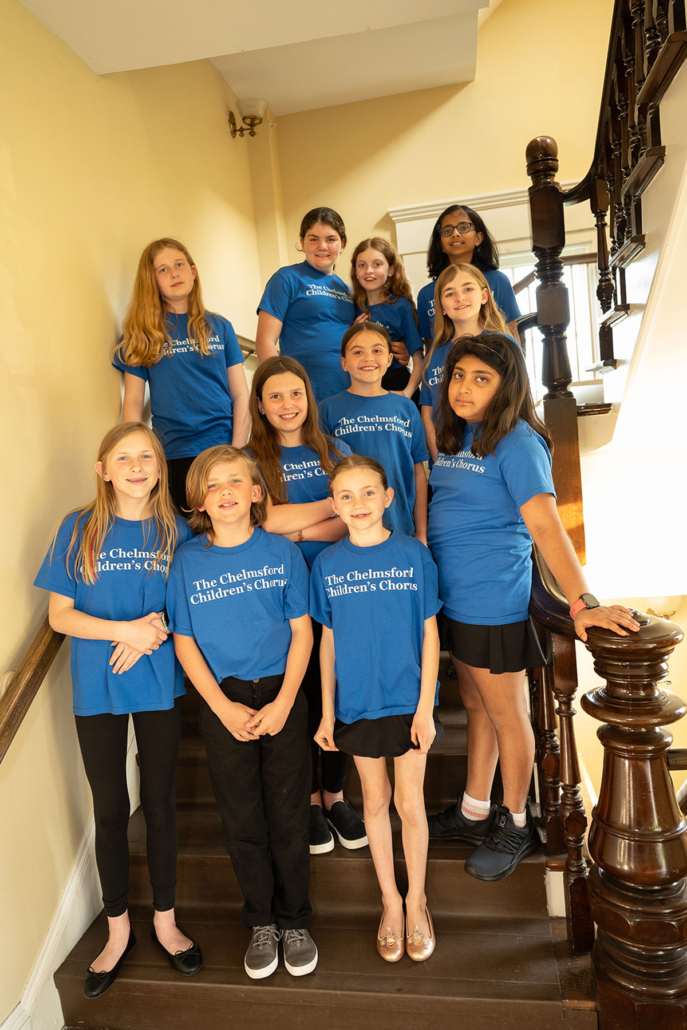
The program opened with a performance by the Chelmsford Children’s Chorus, an Arts Elevate Arts Equity Grant recipient, whose rendition of Becoming You by Bethany Main set an immediate emotional tone. Four partner organizations — Boys & Girls Club of Greater Lowell, Danny’s Place in Acton, Prescott Community Center in Groton, and The Umbrella Arts Center in Concord — each delivered presentations about their residency programs.
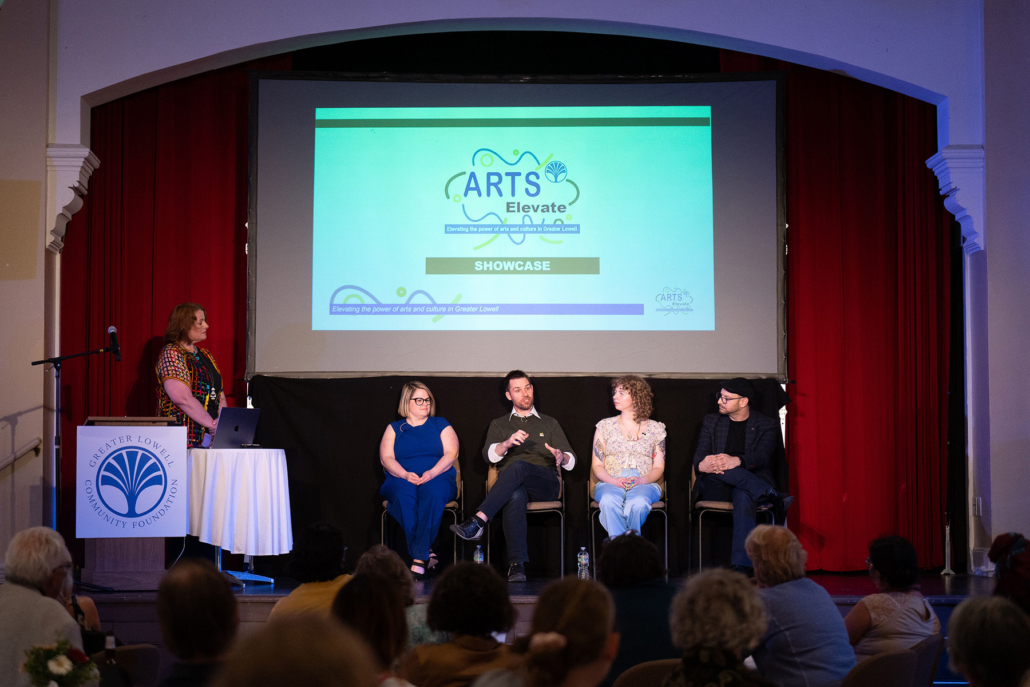
An artist panel discussion, moderated by Jennifer Aradhya, GLCF’s VP of Marketing, Programs & Strategy and founder of Arts Elevate, gave voice to the artists themselves — including Juan Carlos Rivera, who represented the Boys & Girls Club program’s spoken word artist Anthony Febo’s work, fiber artist Shoni Hallock-Martin (Danny’s Place), visual and mixed media artist Andrea Wilson (Prescott Community Center), and filmmaker Tom Flint (The Umbrella Arts Center). Artists spoke about individual moments of student transformation, and what they themselves learned in the process.
Ricky Orng of Adobo-Fish-Sauce closed the evening with a spoken word performance that brought the energy and spirit of the pilot programs into the room.
“Art, in my life, has been like oxygen— not a luxury, not an enrichment add-on, but something I actually need to breathe,” reflected Aradhya, “Watching this pilot unfold in real time, in our own communities, has only solidified what I’ve always believed: the arts are not just good for young people. They can be essential for them, a lifeline to connection. What we built this past fall and continued this spring is proof of that concept— and we’re just getting started.”
About the Four Pilot Programs
Boys & Girls Club of Greater Lowell — Artist Anthony Febo brought spoken word to the Club through Adobo-Fish Sauce Poetry, meeting young people through unexpected gateways — including Dungeons & Dragons — to unlock self-expression and voice.
Danny’s Place, Acton — Artist Shoni Hallock-Martin led Handmade Paper Arts & Sculptural Creations, guiding students through the tactile, grounding process of making paper itself before layering art and story on top.
Prescott Community Center, Groton — Artist Andrea Wilson’s program Me, Myself & Art created a studio space so welcoming that students regularly arrived 30–45 minutes before sessions began, eager to be there.
The Umbrella Arts Center, Concord — Artist Tom Flint led Youth Short Films, bringing together students from different school districts to co-create original films — learning collaboration not as a concept, but as a necessity — culminating in a Red Carpet premiere on The Umbrella’s Main Stage.
Expansion: Veterans, Seniors, and a Growing Ecosystem
GLCF used the evening to preview Arts Elevate’s next phase of growth. In 2027, the program will launch its veterans’ initiative, partnering with veteran-serving organizations across the Greater Lowell region to bring embedded artists and creative engagement to the men and women who have served. A seniors’ pilot is planned to follow in 2028.
Later this month, GLCF will release a new grant opportunities: Embedded Artist Support Grants for nonprofits seeking to bring an artist into their organization. The Arts Elevate Toolkit — a practical guide for any youth-serving nonprofit looking to adopt the embedded artist model — will also be released at the end of May.
About Arts Elevate: Arts Elevate is the Greater Lowell Community Foundation’s comprehensive initiative to improve wellness and strengthen communities through creative engagement across the Greater Lowell region. The program encompasses three components: Embedded Community Artists, Arts Equity Grants, and Professional Development Training, organized around the CREATE–CONNECT–CATALYZE framework.
Arts Elevate is developed with lead funding from the Barr Foundation through its Creative Commonwealth Initiative, which supports strengthening arts and culture across Massachusetts. GLCF has committed to raising at least $1 million over five years to expand and support this important program.
About the Greater Lowell Community Foundation:Established in 1997, the Greater Lowell Community Foundation (GLCF) is a philanthropic organization comprised of more than 500 funds dedicated to improving the quality of life in 21 neighboring cities and towns. With financial assets of over $75 million, GLCF annually awards grants and scholarships to hundreds of worthy nonprofits and students. The generosity of our donors has enabled the Community Foundation to award more than $55 million to the Greater Lowell community.
###
Photo 1: Caption:Arts Elevate panel members discuss the impact of the Embedded Community Artist pilot and about individual moments of student transformation at the May 5 event. From left: GLCF’s Jennifer Aradhya,visual and mixed media artist Andrea Wilson (Prescott Community Center), filmmaker Tom Flint (The Umbrella Arts Center), fiber artist Shoni Hallock-Martin (Danny’s Place) and Juan Carlos Rivera, who represented the Boys & Girls Club’s program.
Photo 2: Caption:The Arts Elevate Showcase opened with a performance by the Chelmsford Children’s Chorus, an Arts Elevate Arts Equity Grant recipient.
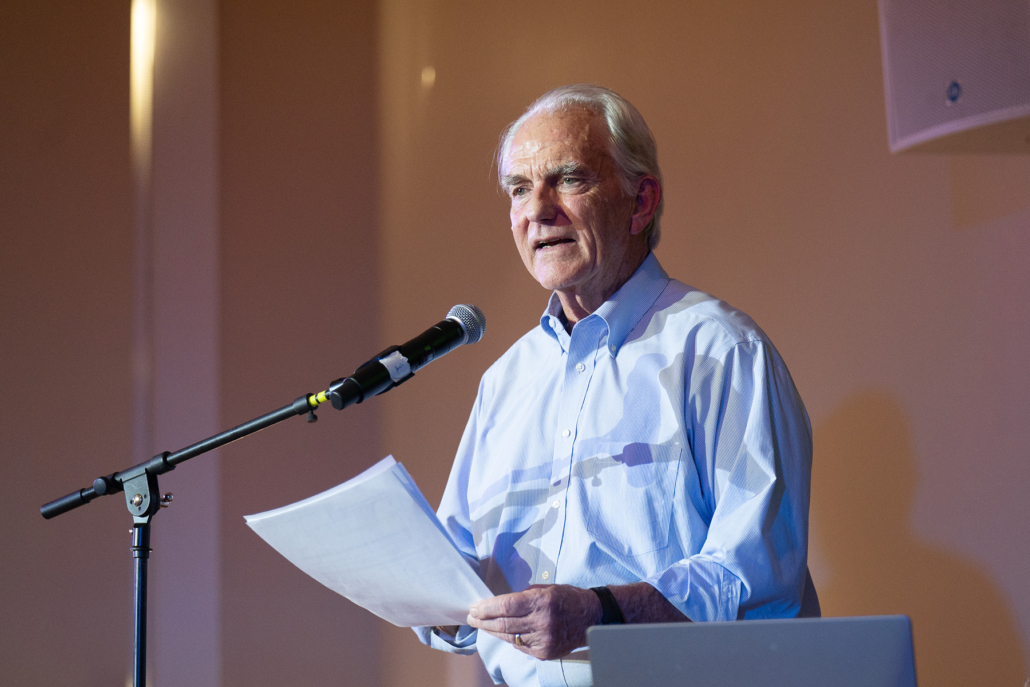
Photo 3: Caption:Jay Linnehan, President and CEO of the Greater Lowell Community Foundation shared the future vision of Arts Elevate at the May 5 Showcase event.
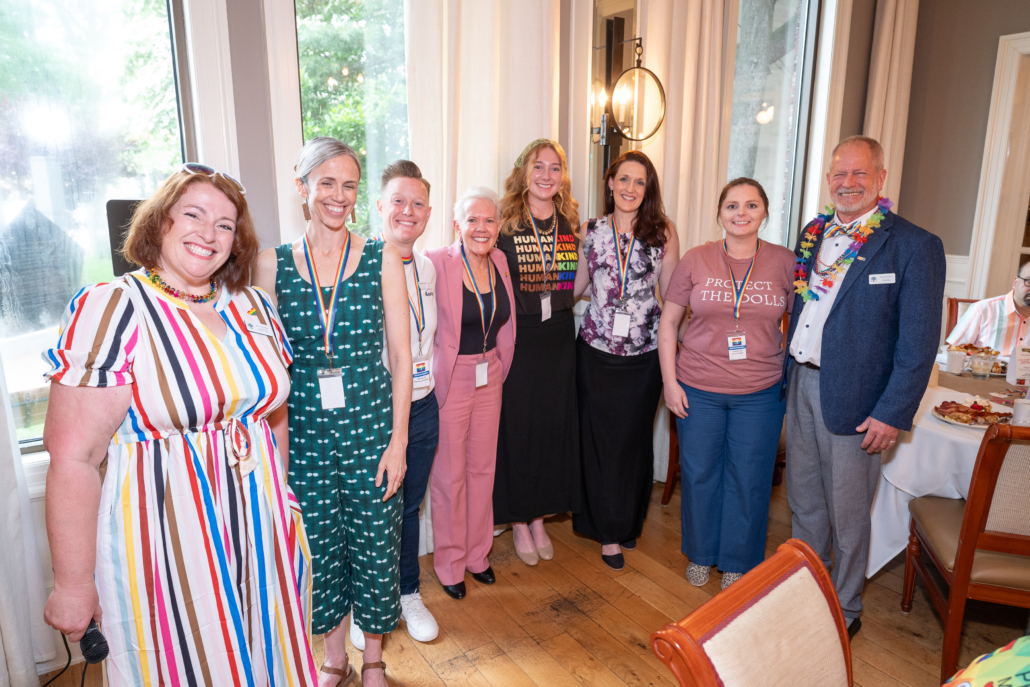
Lowell, MA – The Greater Lowell Community Foundation (GLCF) has announced the 3rd Annual LGBTQ+ Fund Brunch, which will take place on Saturday, June 13, at 10 a.m. at Cobblestones in Lowell. This annual event aims to raise vital funds for the GLCF’s endowed LGBTQ+ Fund, which supports nonprofits working to improve the quality of life for the LGBTQ+ community in Greater Lowell.
The brunch will feature delicious food, lively music by DJ Mocha, and an opportunity to connect with others in the community to celebrate PRIDE and show support for the local LGBTQ+ population. All proceeds from the event will directly benefit the LGBTQ+ Fund, ensuring that resources and services remain available for individuals in need.
The LGBTQ+ Fund, which was established in June 2023, is an endowed fund designed to provide annual financial support to nonprofit organizations in Greater Lowell. These organizations offer essential services and programs for the LGBTQ+ community, including legal assistance, healthcare, educational resources, advocacy, and other high-demand services.
“We are thrilled to host this annual brunch to not only raise funds but to also unite the Greater Lowell community in support of our LGBTQ+ neighbors,” said Jay Linnehan, President and CEO, Greater Lowell Community Foundation. “The LGBTQ+ Fund is a crucial resource in ensuring that services the community needs are available for years to come.”
The second round of grants from the LGBTQ+ Fund will be announced at this event, marking a significant step forward in providing much-needed support to local LGBTQ+ organizations.
/wp-content/uploads/2022/05/Logo.png00glcf/wp-content/uploads/2022/05/Logo.pngglcf2026-04-15 10:33:162026-04-15 10:33:17Greater Lowell Community Foundation to Host LGBTQ+ Fund Brunch on June 13
Arts Elevate Expands Pipeline for Artists to Lead Wellness-Focused Residencies
The Greater Lowell Community Foundation (GLCF) is now accepting applications for the Arts Elevate Artist Training Program, a comprehensive training opportunity that prepares local artists to lead embedded residencies with nonprofit organizations serving youth, veterans, and seniors across the Greater Lowell region.
The redesigned full-day training, scheduled for May 23, 2026, builds on the success of Arts Elevate’s pilot program, which has successfully placed resident artists with four nonprofit partners since fall 2025. The new training program expands access to this innovative model by creating a pipeline of prepared artists ready to partner with organizations throughout GLCF’s 21-community service area.
“When young people engage in art, they discover what they are capable of, who they are, how they belong, and how they contribute to the world around them,” said Jennifer Aradhya founder of Arts Elevate and GLCF’s VP of Marketing, Programs and Strategy. “Through Arts Elevate, we’re building the infrastructure to bring this transformative experience to communities across Greater Lowell.”
The training led by area experts covers Arts Elevate’s core CREATE-CONNECT-CATALYZE framework, evidence-based approaches to arts engagement for wellness, practical facilitation techniques, and insights from current resident artists. Participants will learn from expert facilitators from the Teaching Artist Project and hear directly from artists currently leading successful programs at Boys & Girls Club of Greater Lowell, Danny’s Place, Prescott Community Center, and The Umbrella Arts Center.
Artists interested in working with local youth serving nonprofits in a more meaningful way should apply to this program. All disciplines are encouraged to apply, including visual arts, music, dance, theater, film, spoken word, poetry, literary arts, multimedia, craft, and folk/traditional arts. Priority consideration will be given to artists who live or work in GLCF’s 21 community region and those from underrepresented backgrounds.
Arts Elevate is developed with lead funding from the Barr Foundation through its Creative Commonwealth Initiative, which supports strengthening arts and culture across Massachusetts. GLCF has committed to raising at $1 million over five years to expand and support this important program.
How to Apply
Applications are due by May 1st. Space is limited to 15-20 participants. The training is free, with all materials and lunch provided. For more information and to apply, visit: https://glcfoundation.info/3NunjE2or contact Rita Sahu at rita@glcfoundation.org.
About Arts Elevate
Arts Elevate is GLCF’s comprehensive initiative to improve youth wellness and strengthen communities through creative engagement. The program includes embedded community artist residencies, Arts Equity Grants supporting nonprofit-artist collaborations, and professional development training for creatives. Learn more at glcfoundation.org/arts-elevate.
About Greater Lowell Community Foundation –Established in 1997, the Greater Lowell Community Foundation (GLCF) is a philanthropic organization comprised of more than 500 funds dedicated to improving the quality of life in 21 neighboring cities and towns. With financial assets of over $75 million, GLCF annually awards grants and scholarships to hundreds of worthy nonprofits and students. The generosity of our donors has enabled the Community Foundation to award more than $55 million to the Greater Lowell community.
###
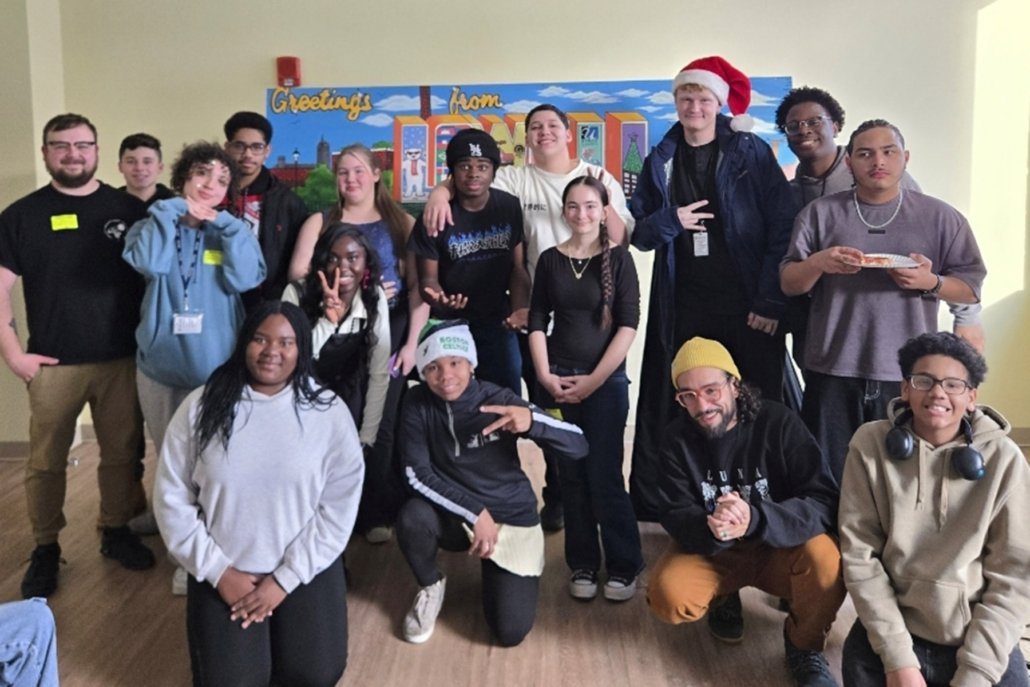
Caption: Students from Boys & Girls Club of Greater Lowell where members hosted a spoken word event at the Club, where youth were invited to perform original pieces as part of Arts Elevate.
/wp-content/uploads/2022/05/Logo.png00glcf/wp-content/uploads/2022/05/Logo.pngglcf2026-04-10 15:30:162026-04-15 10:25:32Greater Lowell Community Foundation Announces Artist Training Program
Lowell, MA – The Women Working Wonders (WWW) Fund, a permanently endowed fund of the Greater Lowell Community Foundation, is proud to announce the awarding of $15,000 in mini-grants to seven local nonprofit organizations serving women and girls in the Greater Lowell community.
“We are continually inspired by the strength, creativity, and dedication of the organizations serving women and girls in our community,” said Kerrie D’Entremont, Women Working Wonders Fund board president. “These mini-grants allow us to respond quickly and meaningfully to programs that are creating real impact across Greater Lowell.”
The Women Working Wonders Fund this year awarded mini-grants of up to $3,000 each to support programs in three key areas: assisting women in transition; providing leadership development opportunities for girls and women; and/or contributing to the beautification of environments that benefit women and girls. Organizations that receive a mini-grant remain eligible to apply for a full grant during the Fund’s summer grant cycle.
2026 Mini Grant Recipients
Ellie Fund, Inc.: Equitable Pathways to Breast Cancer Care for Patients and Families in Massachusetts – $3,000
Lowell Parks & Conservation Trust: Women in Stewardship: Intergenerational Leadership through Environmental Beautification – $3,000
Strongwater Farm Therapeutic Equestrian Center: Lowell Women Veterans Group at Strongwater Farm – $3,000
Project Kompass, Inc.: Project Kompass Residential Program: Supporting Young Women in Transition – $2,000
Learn to Lead Foundation of Lowell, Inc. in partnership with Lowell Community Charter Public School: Leading Today, Shaping Tomorrow – $1,500
The Wish Project, Inc.: Mothers Supported, Families Strengthened – $1,000
Founded in 2004, the Women Working Wonders Fund has awarded more than $600,000 in grants to organizations supporting women and girls in the Greater Lowell area. The Fund operates under the fiscal sponsorship and receives funding from the Greater Lowell Community Foundation. Learn more at www.womenworkingwondersfund.com.
Save the date for WWW’s annual signature fundraising event, the Power of the Purse, on Thursday, October 22, 2026, at Vesper Country Club in Tyngsboro.
###
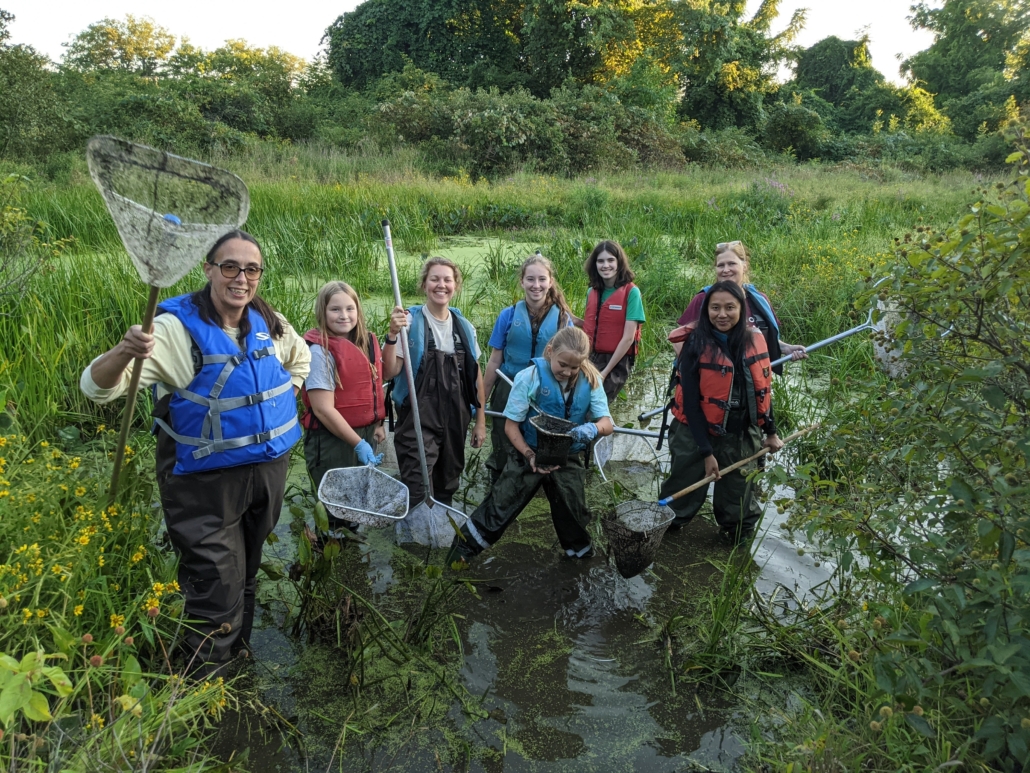
Caption:Lowell Parks & Conservation Trust was awarded a $3,000 mini grant from the Women Working Wonders Fund for their Women in Stewardship: Intergenerational Leadership through Environmental Beautification program.
/wp-content/uploads/2022/05/Logo.png00glcf/wp-content/uploads/2022/05/Logo.pngglcf2026-03-16 10:47:062026-03-18 14:35:20Women Working Wonders Fund Awards $15,000 in Mini-Grants
Three Strategic Grant Programs Support 48 Organizations Across 21 Communities as Survey Shows Nonprofit Sector Facing Mounting Financial Pressure and Service Reductions
LOWELL, MA – The Greater Lowell Community Foundation (GLCF) today announced it has deployed $1 million in emergency funding to 48 nonprofit organizations across its 21 community service area in response to unprecedented funding cuts that a 2026 survey reveals are affecting 64% of the region’s nonprofit sector.
GLCF’s 2026 Federal Funding Impact Survey, released last month, found that 54% of responding nonprofits experienced direct federal funding cuts in 2025, with an additional 10% reporting indirect impacts through partner organizations. The survey of 41 organizations reveals a sector under mounting pressure: 37% report conditions have worsened since Fall 2025, nearly two-thirds express concern about long-term financial sustainability, and eight organizations report significant or severe impact on their ability to serve the community.
“The data tells a sobering story about the state of our nonprofit sector, but it also reveals the remarkable resilience and creativity of organizations working to maintain critical services for our community’s most vulnerable residents,” said Jay Linnehan, GLCF President and CEO. “Our $1 million investment, made possible through our generous funding partners, represents an immediate, strategic response to help organizations weather this transition while maintaining the safety net our communities depend on.”
The $1 Million Response: Three Strategic Programs
Between October 2025 and January 2026, GLCF launched three complementary grant programs totaling $1 million:
Community Connection Grants (October 2025): $100,000 distributed to 10 proven partners ($10,000 each) working to advance equity and strengthen community connections across diverse needs including youth development, cultural support, food security, education, healing services, and economic empowerment.
Food Insecurity Response Grants (November 2025): $200,000 to 15 food pantries and emergency feeding programs, including a $50,000 allocation to Merrimack Valley Food Bank that leverages an 8:1 purchasing multiplier to generate $400,000 in food value.
Resilience and Care Grants (January 2026): $700,000 to 47 organizations addressing eight priority areas including food security ($161,000), community connection/equity ($175,000), multi-service basic needs ($109,000), youth development and mental health ($80,000), health and mental health ($65,000), immigrant support and legal advocacy ($60,000), and housing and shelter ($50,000).
The initiative funded 48 unique organizations, with 15 receiving support from multiple programs, demonstrating GLCF’s commitment to sustained partnership with high-performing community anchors.
Survey Reveals Sector Under Pressure
The survey, conducted in February 2026, provides the most comprehensive assessment of funding impacts on Greater Lowell’s nonprofit sector:
Financial Impact: Thirteen organizations have lost between $50,000 and $500,000 or more cumulatively, with two organizations losing over $500,000.
Operational Strain: Increased staff workload and stress (22 organizations), increased administrative burden (16), reduced client capacity (14), staff/hour reductions (13), and eliminated programs or services (13) are the most common impacts.
Vulnerable Populations: Service reductions disproportionately affect low-income families (24 organizations), immigrants/undocumented individuals (19), and children/youth (19).
Uncertain Future: Twenty organizations (49%) say additional 2026 cuts are “possible but unclear,” while six know of planned cuts. Only two organizations have fully replaced lost funding; 14 (34%) say it’s “too early to tell.”
Response Strategies: Organizations are pursuing foundation grants (35), increased individual donations (35), state/local funding (22), and special events/fundraising (16). Notably, 13 organizations have had to dip into reserves, a concerning indicator of financial strain.
One organization reported receiving notice that, effective October 1, 2026, its federally funded Youth & Children Program, Health Advocacy program, and trauma-informed behavioral health services will be cut completely—core services for immigrant and refugee families that will cause immediate service interruptions and likely staff reductions.
What Organizations Need Most
When asked to identify their top support needs, 37 of 41 organizations (90%) prioritized unrestricted, multi-year funding that enables rapid response to evolving challenges and reduces administrative burden. Organizations also emphasized the need for emergency/rapid-response capacity, practical capacity-building support for financial management and donor engagement, and sector-wide collaboration opportunities.
The sector shows strong appetite for collaboration: 22 organizations (54%) are “very interested” in partnering with other nonprofits on shared challenges, and an additional 13 (32%) are “somewhat interested.” Multiple organizations requested GLCF convene similar service providers to identify collective impact strategies and shared funding opportunities.
“We are incredibly grateful that individual and foundation donors have stepped up with funding to help us address food insecurity,” one organization shared in the survey. Another emphasized: “Unrestricted, multi-year support helps our organization respond quickly to challenges and needs of the community.”
Sustaining the Safety Net
“This survey confirms what we’ve been hearing from our partners: the nonprofit sector is navigating a challenging and uncertain landscape,” said Jennifer Aradhya, GLCF’s Vice President of Marketing, Programs & Strategy. “But it also reveals tremendous resilience and a clear appetite for collaboration. Our role is to provide the flexible funding, strategic convening, and capacity-building support that enables organizations to continue their vital work.”
All $700,000 in Resilience and Care Grants funding has been distributed. The combined impact of GLCF’s three grant programs establishes a model for community foundation response to systemic crises, balancing immediate emergency relief with strategic investments in organizational capacity and long-term community resilience. To contribute to GLCF’s Resilience and Care Fund, the foundation’s rapid response fund, visit: https://glcfoundation.info/resilience.
Established in 1997, the Greater Lowell Community Foundation (GLCF) is a philanthropic organization comprised of more than 500 funds dedicated to improving the quality of life in 21 neighbouring cities and towns. With financial assets of over $75 million, GLCF annually awards grants and scholarships to hundreds of worthy nonprofits and students. The generosity of our donors has enabled the Community Foundation to award more than $50 million to the Greater Lowell community.
###
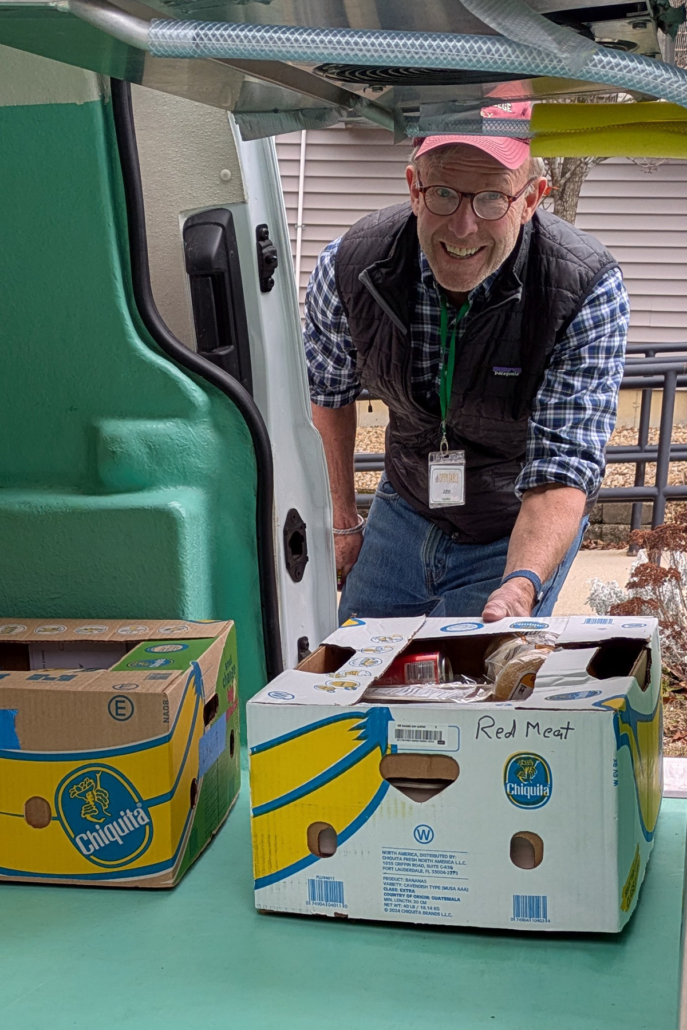
CAPTION 1:An Open Table volunteer loads up their refrigerated van to bring food to a mobile partner, the organization received recent grant funding through the Resilience and Care Fund.
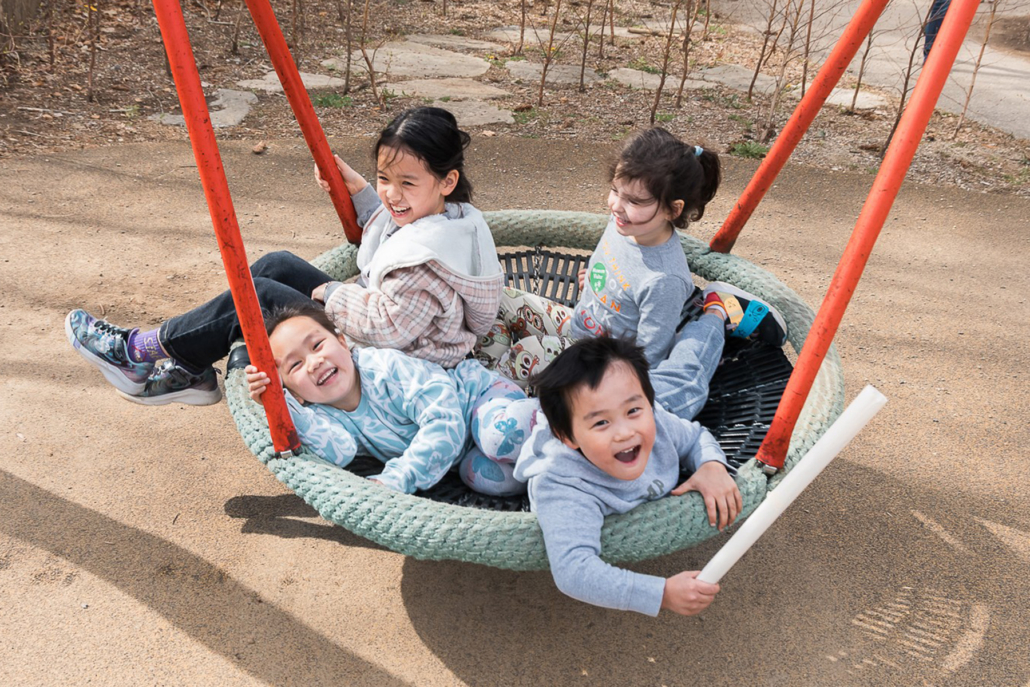
CAPTION 2:Discovery Museum’s fully accessible Discovery Woods nature playscape brings nature exploration, gross motor play, and pure joy to kids of every ability. Pictured here is the accessible Nest Swing. Discovery Museum received recent grant funding through the Resilience and Care Fund.
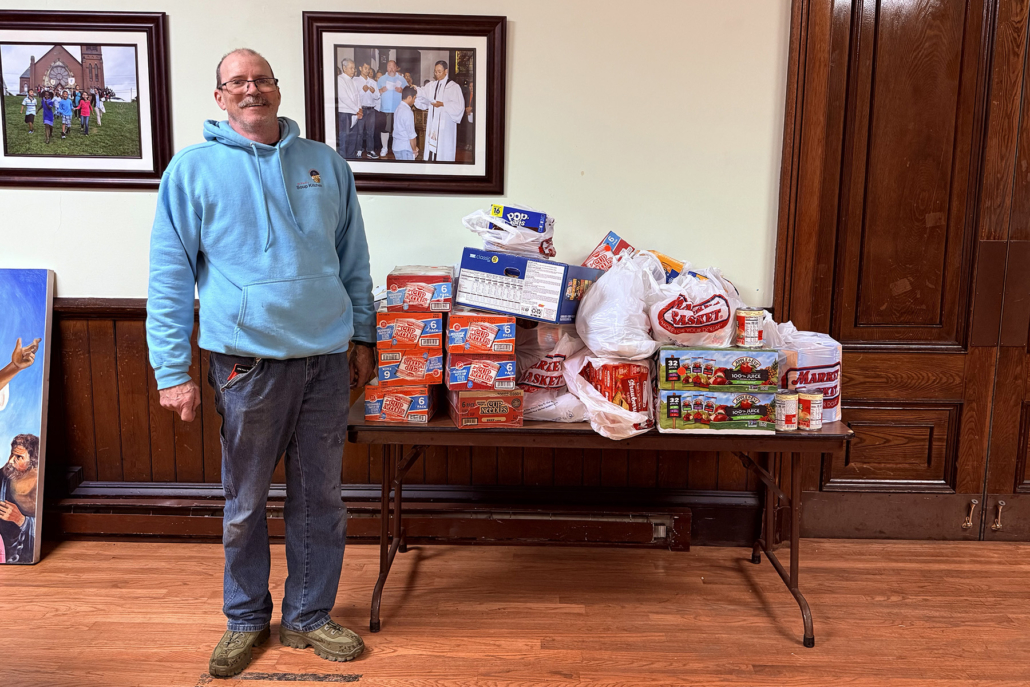
CAPTION 3:St. Paul’s Soup Kitchen’s Richard forest stand next to a sampling of food distributions offered. St. Paul’s Soup Kitchen received recent grant funding through the Resilience and Care Fund.
/wp-content/uploads/2022/05/Logo.png00glcf/wp-content/uploads/2022/05/Logo.pngglcf2026-03-05 16:31:242026-03-05 16:43:11Greater Lowell Community Foundation Deploys $1 Million Emergency Response as Survey Reveals 64% of Nonprofit Partners Hit by Funding Cuts
More Than Half of Organizations Experience Direct Cuts While Others Feel Cascading Effects Through Partner Losses, State Funding Shifts, and Rising Demand
A new survey from the Greater Lowell Community Foundation (GLCF) reveals that federal funding reductions are affecting nearly two-thirds of local nonprofits — through both direct cuts and a cascading ripple effect across the sector. Of the 41 organizations surveyed, 54 percent experienced direct federal funding cuts, while an additional 10 percent report indirect impacts as partner organizations lose funding, state dollars are reallocated to fill federal gaps, and demand increases from residents losing federal benefits.
“These findings confirm what we’ve been hearing from our nonprofit partners across the region,” said Jay Linnehan, President and CEO of the Greater Lowell Community Foundation. “The impact extends far beyond organizations that receive federal funding directly. When one nonprofit loses funding, the effects ripple outward — straining partners, shifting resources, and ultimately reducing services for our most vulnerable residents.”
Key Survey Findings:
• Sixty-four percent of organizations report being affected — 54 percent through direct cuts and 10 percent through indirect impacts
• Thirty-seven percent report conditions have worsened since Fall 2025, while 39 percent describe mixed conditions
• Low-income families, immigrants, and children/youth are the populations most affected by service reductions
• Sixty-six percent of organizations express concern about long-term financial sustainability
• Only two organizations have fully replaced lost funding; most say it’s “too early to tell”
The survey revealed significant operational impacts across the sector. Twenty-two organizations reported increased staff workload and stress, while 13 have had to eliminate programs or services entirely. The sector’s most vulnerable clients — including 24 organizations serving low-income families, 19 serving immigrants and undocumented individuals, and 19 serving children and youth — are bearing the brunt of these reductions.
Organizations are responding with diversified funding strategies. Thirty-five organizations have applied for foundation grants and increased individual donation efforts, while 22 have pursued state or local funding. However, 13 organizations have been forced to dip into reserves — a concerning indicator of financial strain.
When asked what support would be most helpful, the response was clear: Thirty-seven of 41 organizations identified unrestricted, flexible funding as their top need. Organizations also expressed strong interest in collaboration, with 86 percent indicating they are somewhat or very interested in partnering with other nonprofits on shared challenges.
“The Greater Lowell Community Foundation is committed to supporting our nonprofit partners through this challenging period,” said Linnehan. “We will continue to prioritize flexible funding, facilitate collaboration across the sector, and advocate for the resources our community needs to thrive.”
Established in 1997, the Greater Lowell Community Foundation (GLCF) is a philanthropic organization comprised of more than 500 funds dedicated to improving the quality of life in 21 neighboring cities and towns. With financial assets of over $75 million, GLCF annually awards grants and scholarships to hundreds of worthy nonprofits and students. The generosity of our donors has enabled the Community Foundation to award more than $50 million to the Greater Lowell community.
###
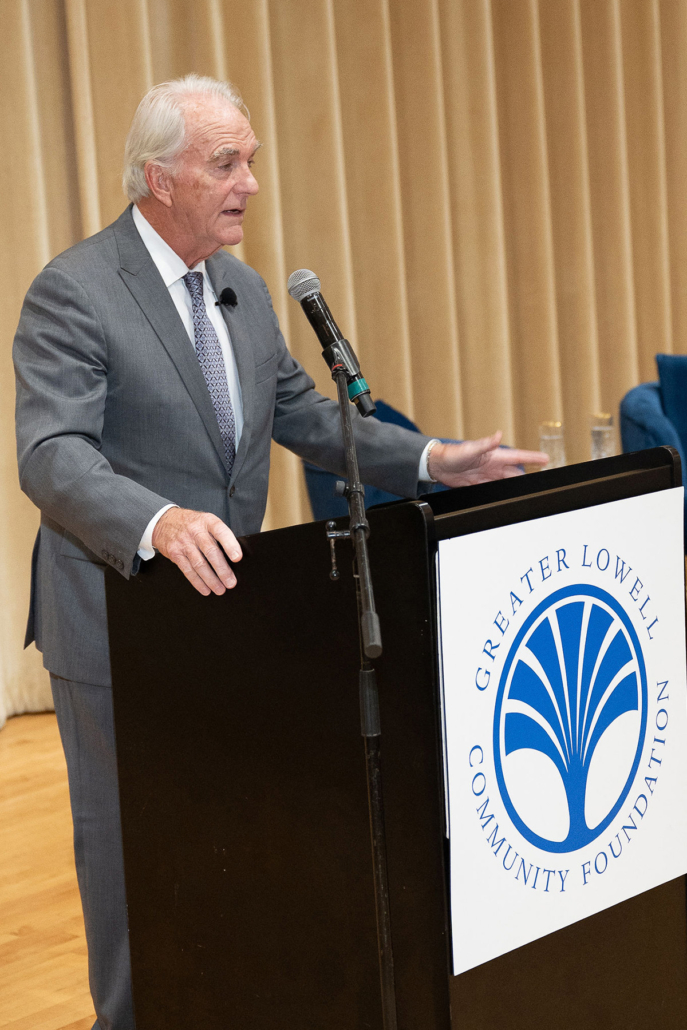
CAPTION: GLCF President and CEO Jay Linnehan at the Fall 2025 Celebrate Giving. GLCF released findings from a follow up survey to determine the impact of funding cuts on Greater Lowell Nonprofits.
/wp-content/uploads/2022/05/Logo.png00glcf/wp-content/uploads/2022/05/Logo.pngglcf2026-02-19 07:54:002026-03-16 13:54:13GLCF Survey Reveals Direct Cuts and Ripple Effects: Sixty-four percent of Greater Lowell Nonprofits Impacted by Federal Funding Reductions
Over the last three years, Alyce Moore talked many times to her husband John about Lowell High School (LHS) scholarships and her role as a volunteer evaluator of the scholarship applications for the Greater Lowell Community Foundation (GLCF), the fiscal agent for several LHS scholarships.
While reviewing applicants’ academic, extra-curricular and personal experiences, Alyce learned each student’s unique story. “Every student wrote a personal essay. It is the most compelling part of evaluation, a glimpse into the mind and motivation of these young scholars. I was blown away by this process and shared this with John regularly,” noted Alyce.
This review process underscored the need to create scholarships and help a student achieve their higher education goals. The couple turned their attention to how they could help. Looking over their estate plans in 2025, it was John who felt strongly the need to include philanthropy in their financial planning. The couple reached out to Howard Amidon, Greater Lowell Community Foundation’s Vice President for Philanthropy. As a GLCF scholarship evaluator, Alyce knew and trusted GLCF and the process.
The Moores endowed the Lily Ann Moore Scholarship Fund as a multi-year scholarship in memory of their daughter who died at age 28 of a brain aneurysm. Lily Ann would have turned 52 this March. The first Lily Ann Moore Scholarship will be awarded at LHS Honor Awards Night on May 19.
The multi-year scholarship made sense to Alyce and John. “What do students do after that first and only year of a one-year scholarship? “A multi-year scholarship gives a student the time to focus on goal-oriented studies and maintain a specific GPA, without the worrisome ‘extra costs’ like meals, rent, books, added Alyce.
“In creating this multi-year scholarship, Alyce and John exemplify thoughtful philanthropy. This new scholarship will impact young lives for generations to come. We are grateful for their incredible generosity,” said Amidon. GLCF currently manages seven multi-year scholarships.
Alyce understands the impact of philanthropy, having served as the former Executive Director of The Wish Project (where she also served as a volunteer Development Director), after a 28-year career as a Corporate Lawyer and General Counsel for Kronos Inc.
She quoted the “Learn, Earn, Return” mantra of a corporate boss. “Basically, it meant go to school, get a job, give back. Giving back can take the form of donating money, volunteering, and/or sharing one’s talent as a tutor or mentor. Some people might not have the money for a scholarship at this point in their lives, maybe later. Right now, they might have the time and experience to help steer someone toward a better life.”
The Greater Lowell Community Foundation (GLCF) provides opportunities for donors to create a fund and establish a lasting charitable educational legacy. To learn more about Lowell High School Scholarships, contact Jay Linnehan or Barbara Dunsford at 978-970-1600 or info@glcfoundation.org
###
/wp-content/uploads/2022/05/Logo.png00glcf/wp-content/uploads/2022/05/Logo.pngglcf2026-02-16 13:08:332026-02-13 15:04:13Lily Ann Moore Scholarship Endows Multi-Year Lowell High School Scholarship with the Greater Lowell Community Foundation
The Greater Lowell Community Foundation (GLCF) 2026 Discretionary Grants Cycle will close on Monday, March 2, 2026, offering funding opportunities to improve the quality of life for residents in its 21-community service area. GLCF’s Discretionary Grants Program supports nonprofit organizations serving the communities of Acton, Ashby, Ayer, Bedford, Billerica, Burlington, Carlisle, Chelmsford, Concord, Dracut, Dunstable, Groton, Littleton, Lowell, Pepperell, Shirley, Tewksbury, Townsend, Tyngsboro , Westford, and Wilmington.
GLCF continues to utilize Philanthropy MA’s Common Grant Application, streamlining the application process for nonprofits.
Strategic Grant Categories
Funding in the 2026 Discretionary Grants Cycle will focus on three key areas:
Leclair Elder Services
Children’s Services
LGBTQ+ Services
Key Application Considerations:
To encourage collaboration, a nonprofit may apply as a lead applicant in one category and serve as a partner on other grant proposals.
Agencies with multiple service locations should submit one application that encompasses all sites.
Grant requests of up to $10,000 will be considered.
Application Information
Nonprofits interested in applying can review the grant guidelines at: www.glcfoundation.org/for-nonprofits/grants/. Grant proposals are due by 12:00 p.m. on Monday, March 2, 2026.
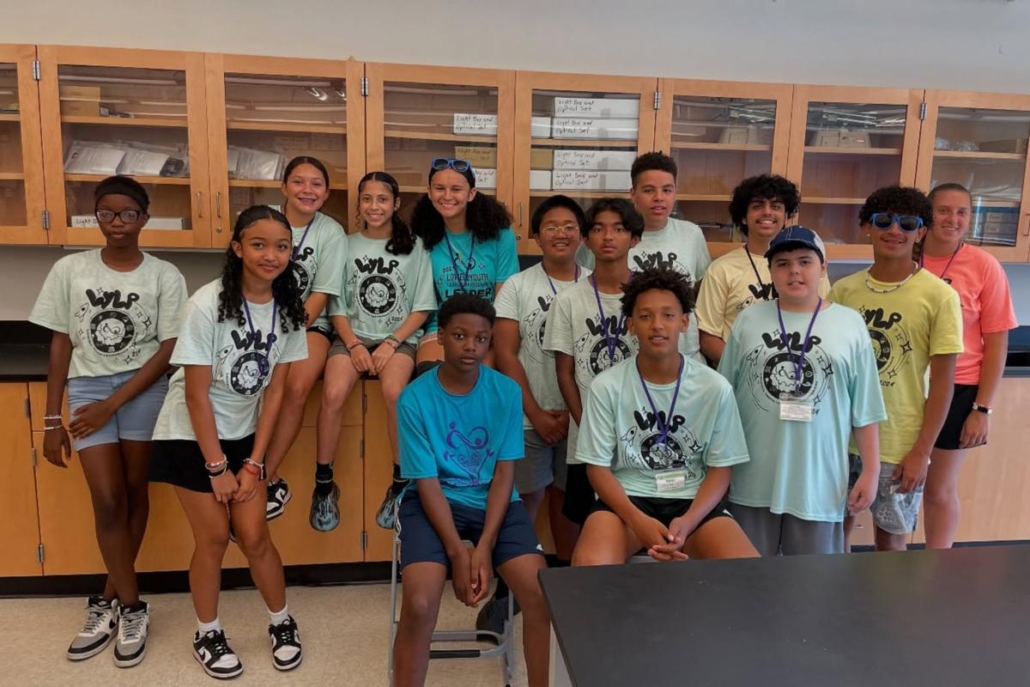
Caption: Thanks in part to 2025 Greater Lowell Community Foundation Children’s Services grant, Lowell Youth Leadership Program was able to increase summer camp attendance by 20 percent.
/wp-content/uploads/2022/05/Logo.png00glcf/wp-content/uploads/2022/05/Logo.pngglcf2026-02-13 12:15:522026-02-13 12:15:52Greater Lowell Community Foundation 2026 Discretionary Grants Cycle Closes on March 2