Greater Lowell Community Foundation Awards $700,000 in Resilience and Care Grants to 47 Nonprofit Organizations

Anonymous donor’s Resilience and Care Fund provides critical support for urgent basic human needs across 21 Greater Lowell communities
LOWELL, MA – The Greater Lowell Community Foundation (GLCF) today announced $700,000 in grants to 47 nonprofit organizations through its new Resilience and Care Grants program. Made possible by an anonymous donor, this rapid-response initiative provides immediate support for organizations serving vulnerable populations during a time of significant federal and state funding cuts.

“We are deeply grateful to the extraordinary generosity that makes this program possible,” said Jay Linnehan, President and CEO of the Greater Lowell Community Foundation. “Their investment demonstrates a profound commitment to our community during one of its most challenging moments. This is philanthropy at its best – responding quickly and strategically to help our neighbors when they need it most.”

Per the donor, the grant funding addresses basic human needs, including food insecurity, housing and shelter, fuel and rental assistance, immigrant support (including legal costs), clothing, childcare, and mental and/or physical health and well-being. This GLCF grants program uses a direct award notification model – no application required – allowing funds to reach communities as quickly as possible. All grants will be distributed by month’s end, with award amounts ranging from $1,500 to $40,000.

The funder chose community foundations for this initiative specifically because of their proven ability to deploy funding quickly through trusted, long-standing community relationships—exactly the capacity GLCF has built over its 29-year history.

“GLCF recognizes the critical work of Greater Lowell nonprofits that address urgent basic human needs in our community,” said Jennifer Aradhya, GLCF’s VP of Marketing, Programs and Strategy. “For our nonprofit partners affected by funding cuts, these grants arrive at a crucial moment. This generous grant allows us to channel resources quickly to proven organizations on the front lines serving our neighbors in need.”

Funding by Sector

The $700,000 investment is distributed across key sectors: Community Connection and Equity ($175,000, 25%), Food Security and Nutrition ($161,000, 23%), Multi-Service and Basic Needs ($109,000, 15.6%), Youth Development, Mental Health and Educational Access ($80,000, 11.4%), Health and Mental Health ($65,000, 9.3%), Immigrant Support and Legal Advocacy ($60,000, 8.6%), and Housing and Shelter ($50,000, 7.1%).

The program includes a significant investment in youth and children’s services, with $150,000 (21.4% of the total portfolio) supporting 12 organizations across clinical mental health, prevention programs, after-school enrichment, arts development, educational access, and basic needs.

Communities Served

The Resilience and Care Grants support organizations serving all 21 communities of the Greater Lowell region: Acton, Ashby, Ayer, Bedford, Billerica, Burlington, Carlisle, Chelmsford, Concord, Dracut, Dunstable, Groton, Littleton, Lowell, Pepperell, Shirley, Tewksbury, Townsend, Tyngsboro, Westford, and Wilmington.

Complete List of Grant Recipients

Community Connection Grants ($175,000): Boys & Girls Club of Greater Lowell, Inc.; Coalition for a Better Acre, Inc.; Mill City Grows; The Center for Hope and Healing, Inc.; Project Citizenship; Project LEARN, Inc.; Merrimack Repertory Theatre, Inc.; Fortaleza; Women’s Money Matters; YWCA of Lowell; Latinx Community Center for Empowerment

Food Insecurity Response Grants ($160,000): Merrimack Valley Food Bank; The Open Pantry of Lowell; Loaves & Fishes Food Pantry; Dwelling House of Hope; Acton Food Pantry; People Helping People; Carlisle Council on Aging; Bedford Food Pantry; St. Paul’s Soup Kitchen; Open Table; PACH; TEO; Project Kompass; Chelmsford Food Pantry; Humane Society of Greater Lowell; Ashby Food Closet at Ashby Library; Stone Soup Café

Housing & Shelter ($50,000): Lowell Transitional Living Center; House of Hope

Health & Mental Health ($65,000): Lowell Community Health Center; Health Law Advocates

Multi-Service & Basic Needs ($109,000): Community Teamwork, Inc.; Catie’s Closet; Gaining Ground; Wish Project; Aaron’s Presents

Immigrant Support & Legal Advocacy ($60,000): International Institute of New England – Lowell; Northeast Legal Aid; Islamic Center of New England cs Andover

Youth Development, Mental Health & Educational Access ($80,000): Adolescent Consultation Services; Danny’s Place; ThinkGive; Boys and Girls Club of Greater Billerica; UTEC; Girls Inc. of Greater Lowell; Discovery Museum

How You Can Help

“While these funds have been quickly distributed to address immediate needs, there is more to do,” said Jay Linnehan, President and CEO of the Greater Lowell Community Foundation. “I encourage you to help grow our community’s resilience by adding your own contribution. Every gift, no matter the size, strengthens the safety net that catches our neighbors when they fall.”

To contribute to GLCF’s Resilience and Care Fund, visit: https://glcfoundation.info/resilience


About Greater Lowell Community Foundation

Established in 1997, the Greater Lowell Community Foundation (GLCF) is a philanthropic organization comprised of more than 500 funds dedicated to improving the quality of life in 21 neighbouring cities and towns. With financial assets of over $75 million, GLCF annually awards grants and scholarships to hundreds of worthy nonprofits and students. The generosity of our donors has enabled the Community Foundation to award more than $50 million to the Greater Lowell community.

###

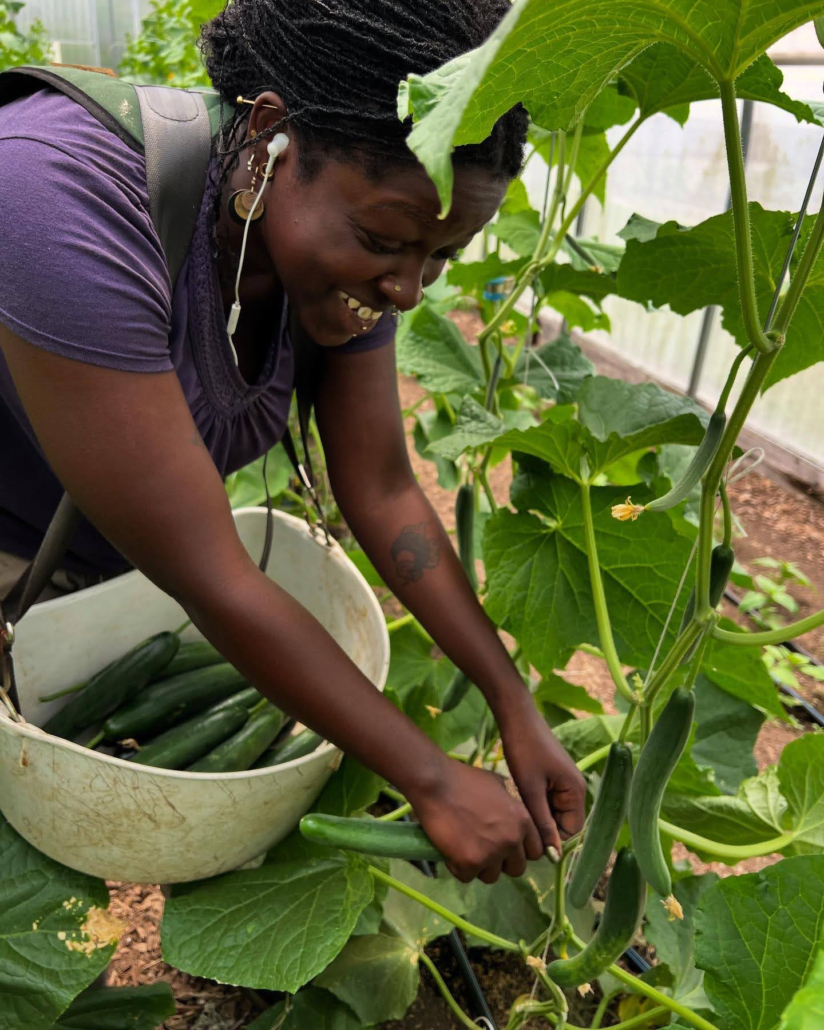
Photo 1: Gaining Ground’s abundant harvests nourish thousands of people in Greater Lowell every year. Gaining Ground, which received recent grant funding through the Resilience and Care Fund, is a nonprofit organic farm in Concord, Massachusetts, grows vegetables and fruit with the help of several thousand community volunteers and donates all of this fresh food to area meal programs and food pantries.

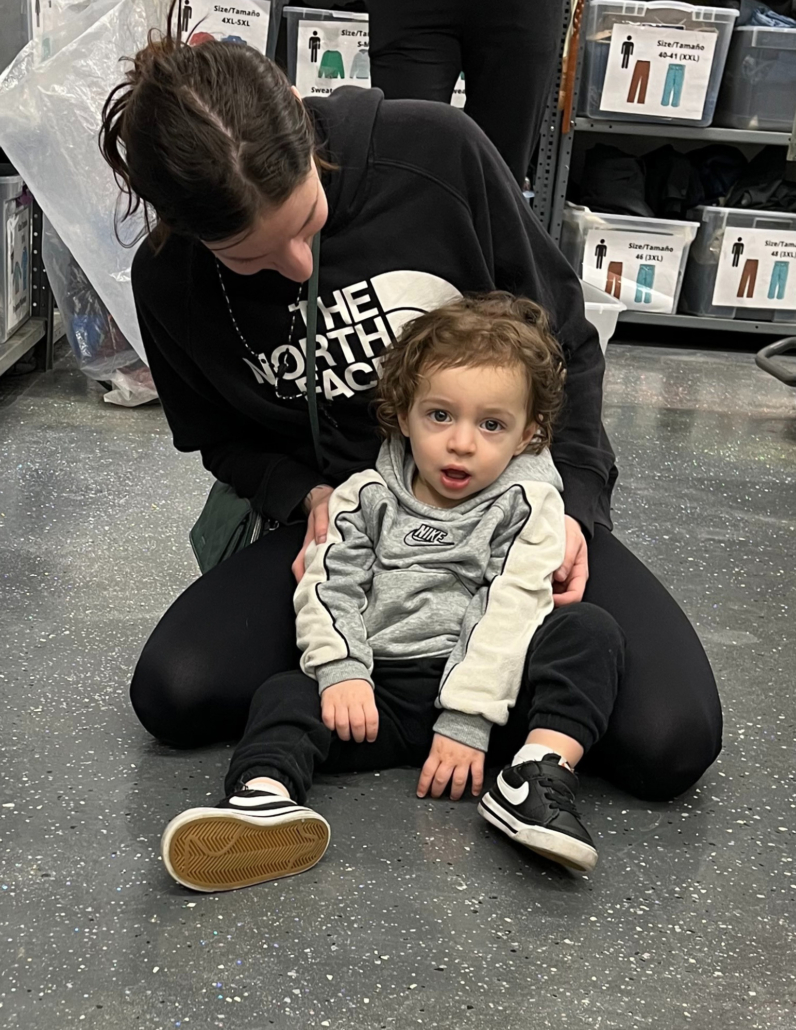
Photo 2: Mom and son stopped by The Wish Project to get some much needed winter clothes. The Wish Project, which supports our local community by providing donated clothing, baby essentials, and household goods to aid families in need, received recent grant funding through the Resilience and Care Fund.


$200,000 GLCF Emergency Food Grants Reach 80,000+ Residents as Organizations Report Unprecedented Demand

LOWELL, MA – One month after the Greater Lowell Community Foundation distributed $200,000 in emergency food grants to 15 organizations across its 21-community service area, impact statements reveal the unprecedented scale of food insecurity gripping the region – and the critical role these funds are playing in meeting exploding demand.

In Massachusetts, nearly 800,000 residents – including 240,000 children – face food insecurity, with working families increasingly unable to afford basic groceries despite employment. According to Feeding America’s 2024 Map the Meal Gap study, 11.2% of Massachusetts residents struggle with food access as grocery prices have risen 25% since 2020 while wages have failed to keep pace (U.S. Bureau of Labor Statistics). In Greater Lowell’s 21 communities, thousands of employed residents now earn too much to qualify for SNAP benefits yet too little to cover rent, utilities, and food – creating a modern “working poor” crisis affecting families throughout the region.

The 15 grant recipients collectively serve more than 80,000 individuals each month, distributing millions of pounds of food through pantries, meal programs, home delivery services, and school-based initiatives. Their impact statements paint a vivid picture of communities in crisis – and organizations working at maximum capacity to respond with compassion and efficiency.

Crisis-Level Demand Surge

Organizations across the region reported unprecedented increases in need:

  • Project Kompass serving Lowell’s under-resourced Jackson-Appleton-Middlesex neighborhood, reported shocking increases in working poor families unable to afford nutritious food despite full-time employment.

  • Bedford Food Bank saw demand surge 60 to 70% from the previous year, now serving 220-250 households weekly and distributing approximately 9,000 pounds of food each week.
  • PACH (Pepperell Aid from Community to Home) distributed 76,665 pounds of food in 2025 – a 23.5% increase from 2024 – serving 212 households representing 1,473 individuals.
  • People Helping People in Burlington enrolled 31 new clients since the government shutdown, putting strain on financial resources for essential staples like milk, eggs, bread, and fresh produce.
  • Loaves & Fishes Food Pantry opened its doors to federal employees impacted by the shutdown, supporting over 60 additional households.

“These grants represent more than emergency funding – they represent our community’s commitment to ensuring no family faces hunger alone,” said Jay Linnehan, President and CEO of Greater Lowell Community Foundation. “The impact statements we’ve received demonstrate both the severity of this crisis and the extraordinary dedication of our partner organizations responding with compassion and efficiency.”

Working Families Priced Out of Grocery Stores

Tracy, volunteer coordinator of the Open Pantry of Greater Lowell, understands the issue of food insecurity isn’t just a problem for “poor” people. “Anyone can find themselves here at the pantry in need of food. Anyone. Nobody should be embarrassed. We are here to help, no matter your circumstances.”

Merrimack Valley Food Bank’s Operation Nourish program delivers food weekly to every Lowell public school. School personnel report that entire families are now seeking help through school food pantries. “There has been an uptick in pantry use and phone calls from parents asking for food,” reported Lowell public school personnel. “Parents often start their phone calls by apologizing for their circumstances, either a layoff, or cost of living increases that price out groceries. One parent called in and pleaded, ‘We have nothing. Anything, and I mean anything, would help.’”

Jennifer Aradhya, GLCF’s Vice President of Marketing, Programs & Strategy, emphasized the Foundation’s ongoing commitment: “The impact statements we’ve received confirm what we knew – this crisis demands sustained response. Every organization is working at maximum capacity with unprecedented compassion and efficiency. Our role is to ensure they have the resources to continue this essential work to help anyone in need, including these hardworking families in our community.”

About Greater Lowell Community Foundation
Established in 1997, the Greater Lowell Community Foundation (GLCF) is a philanthropic organization comprised of more than 450 funds dedicated to improving the quality of life in 21 neighboring cities and towns. With financial assets of over $70 million, GLCF annually awards grants and scholarships to hundreds of worthy nonprofits and students. It is powered by the winning combination of donor-directed giving, personal attention from Foundation staff, and an in-depth understanding of local needs. The generosity of our donors has enabled the Community Foundation to award more than $40 million to the Greater Lowell community.

###

CAPTION 1: Loaves & Fishes in Devens provides groceries for a record number of families this holiday season.

CAPTION 2: Dave Aldrich (Project Kompass Board Chair & Founder), volunteer Dan Keenan, and OPS Manager Kathy Moriarty, working tirelessly to fulfill food requests, manage deliveries, and keep Project Kompass’ shelves stocked.

The Adelard T. ‘Ed’ Trudel Scholarship Funding Future Education

Anyone who worked for the City of Lowell between 1981 and 2000 most likely met Ed Trudel, who served as the city’s Special Events Coordinator at that time. His love for ‘all things Lowell’ was purposeful and contagious.

A man of high integrity and community vision, Ed (Lowell High School Class of 1941) was very much a champion of the city and Lowell High School (LHS). A 20-year city employee, Ed extended his ‘retirement’ in Lowell with a part-time job for five more years. The term ‘part-time’ was not in Ed’s vocabulary. He continued to start his day at 6 a.m. and worked almost full-time hours. He did everything 300 percent.

It was not unusual for him to come home from work at 5 o’clock, cut his manicured lawn, fix the sprinkler system, cook a full supper and be ready for the next day with anticipation and enthusiasm,” noted Germaine Vigeant-Trudel, Ed’s loving companion and wife of 25 years.

In his role as Lowell’s Special Event Coordinator, Ed was in the pivotal position to spearhead logistics for the inaugural Lowell Folk Festival in 1990. No matter where he and Germaine traveled from Seabrook Beach to Quebec, to Europe, once the conversation turned to “where are you from?” Ed would be promoting Lowell: Its high school and notable distinguished alumni, artistic, cultural and community venues like his beloved Folk Festival or the all-volunteer Family Fun Day, a community wide July 4th carnival on Pawtucket Boulevard. Come Christmas, Ed was not to be undone by St. Nicholas. He loved playing Santa, visiting a scheduled list of relatives and friends while Germaine sat in the car not to give ‘Santa’ away.

Colleague and close friend Steven Joncas, GLCF President Emeritus and scholarship donor, said Ed always demonstrated a level of kindness, caring and friendship. “He was an extraordinary human being. He would be thrilled to know Germaine has established this scholarship because he cared so much about education. Scholarships in whatever amount demonstrate that a kid has value, it’s a recognition of their worth.”

When asked what advice Ed would pass on to the recipient of the Adelard T. ‘Ed’ Trudel Scholarship Fund established in November, Germaine’s quick response was, “This scholarship is a ‘feel-good’ deed and if it helps a student supplement his or her financial need, all the better.” Ed would say, “Do your best, work hard and you will succeed.”

The Greater Lowell Community Foundation (GLCF) provides opportunities for donors to create a fund and establish a lasting charitable educational legacy. To learn more about Lowell High School Scholarships, contact Jay Linnehan or Barbara Dunsford at 978-970-1600 or info@glcfoundation.org

About Greater Lowell Community Foundation – Established in 1997, the Greater Lowell Community Foundation (GLCF) is a philanthropic organization comprised of more than 450 funds dedicated to improving the quality of life in 21 neighboring cities and towns. With financial assets of over $65 million, GLCF annually awards grants and scholarships to hundreds of worthy nonprofits and students. It is powered by the winning combination of donor-directed giving, personal attention from Foundation staff, and an in-depth understanding of local needs. The generosity of our donors has enabled the Community Foundation to award more than $40 million to the Greater Lowell community.

###

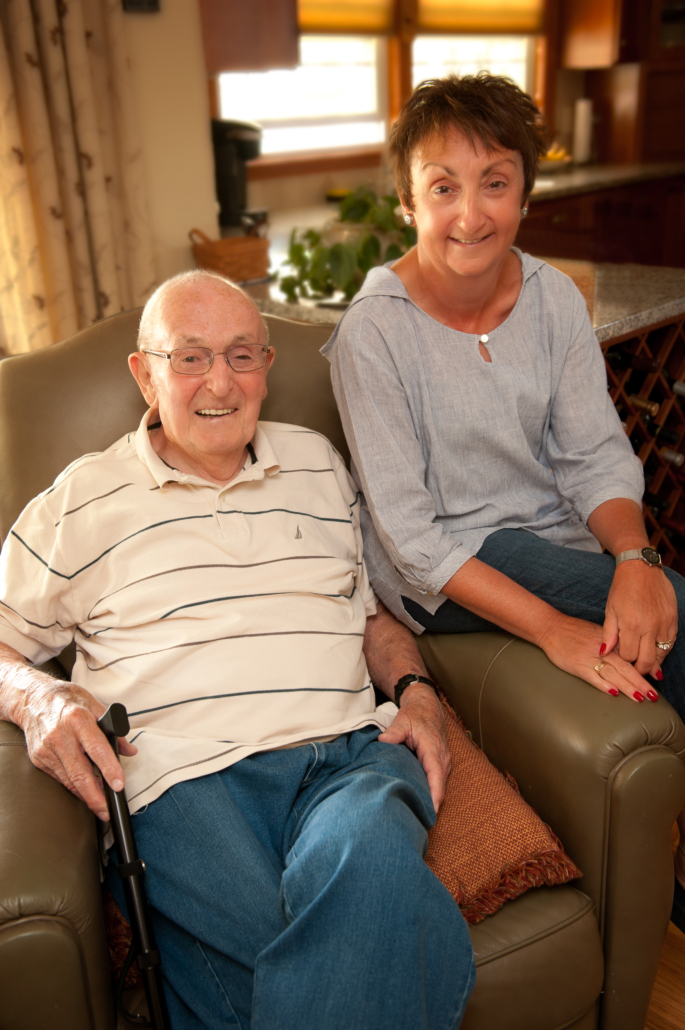
Caption: Adelard T. ‘Ed’ Trudel, left, with his wife, Germaine Vigeant-Trudel.

Arts Elevate: ‘Spoken Word Poetry’ at The Boys & Girls Club of Greater Lowell

By Kathy Register

LOWELL, MA – If you prepare a meal, does that make you a chef? Must one be an artist to be creative? Can only poets write poems? These are questions performer and poet Anthony Febo asks middle-school students as part of his “Spoken Word Poetry” program at The Boys & Girls Club of Greater Lowell.

“In my workshops, it’s not so much, ‘This is how to write a good poem.’ It’s less about craft, per se, and more about, ‘Hey, you already have it in you to write poems,” explained the Rhode Island-based spoken-word poet (who uses only his last name professionally).

Febo’s after-school poetry program was created for Arts Elevate, a pilot project supported by the Greater Lowell Community Foundation (GLCF), and designed to improve the health and wellness of adolescents in Greater Lowell.

“One of the beautiful things about writing is that while it can’t change what happens, it canchange the way we feel about what happens,” said Febo, who previously lived and worked in Lowell.

“These workshops are not overtly about mental health,” he added. “It’s more about inviting young people to write about what they feel. Basically, we’re having conversations around what things are on their minds and in their hearts. Then, we explore how to bring those things to the `page or the stage.”

Launched this fall, GLCF’s pilot project, titled Arts Elevate: Embedded Community Artists for Youth Wellness in Greater Lowell, places four artists in 12-week residencies at nonprofit organizations in Acton, Concord, Groton and Lowell (at the Boys & Girls Club), explained Jennifer Aradhya, GLCF’s Vice President of Marketing, Programs & Strategy. The Arts Elevate initiative was developed for Greater Lowell with lead funding from the Barr Foundation through its Creative Commonwealth Initiative.

“Febo’s approach perfectly captures what Arts Elevate is all about: Meeting young people where they are and giving them tools to process their experiences,” said Aradhya. “When we talk about promoting youth wellness through creative engagement, spoken-word poetry is one of the most direct pathways. These students are, literally, giving voice to what’s inside them.”

JuanCarlos Rivera, Deputy Executive Director of The Boys & Girls Club of Greater Lowell, agrees. “This spoken-word program is a lot about building relationships and making sure young people feel comfortable – and willing to try something outside their comfort zone, like poetry,” he said.

“That comfortable foundation is what we want to create,” Rivera continued. “The kids might say, ‘Who’s this new guy? He’s interesting.’ Then they might have a conversation with Febo that has nothing to do with poetry, and they feel heard. It can take off from there. Every young person wants a platform to be heard.”

The Boys & Girls Club of Greater Lowell serves children ages 8 to 18, primarily from Lowell, Dracut and Chelmsford, explained Rivera. “We have more than 1,000 kids registered, with 180 to 200 attending per day.” Most programs run from 2 to 8 p.m. Monday through Friday, with some special events scheduled for the weekends, he said. “We’re mainly an after-school program.”

Offering a wide variety of activities, the Boys & Girls Club focuses on four target areas: academics, life & workforce, character & leadership, and healthy lifestyles, said Rivera. “They can be a sports kid, or a young person who is into the arts, and they can find something they like here. But ideally, we want them to cross over. I really like to have my basketball players writing poetry.”

Working with so many young people who can be dropping in to a number of different programs each week, required flexibility on his part, said Febo. He first envisioned his Arts Elevate curriculum as a series of four monthly masterclasses. But the poet quickly realized he wanted to be on site more often.

“At first, my schedule was once a month, then I upped it to being there two to three times a month. Now I’m going in three or four times a month.”

Designed for teens ages 13 to 16, his workshops attract students in 8th grade up through high school, so his enrollment varies daily and weekly, the poet explained. However, he has a core group of about six regulars.

Febo keeps his workshops low-key and low-pressure. “I recognize this Boys & Girls Club series is not necessarily a writing program. There’s a big difference between working with young people who are choosing to be in a workshop to write, versus those just coming after school as part of a larger program,” he said.

“However, we can pull out poetry from our lives in all kinds of ways, so we don’t spend a lot of time talking about metaphors and symbolism. We just do it,” Febo stressed. “And afterwards I might say, ‘Do you realize you created a great metaphor there?’ ”

This 12-week “Spoken Word Poetry” program culminates in a final performance in December, when Febo will perform, and also open the stage to students who want to perform their own poems.

Ideally, Art Elevate will have legs and continue to help others in the future, said GLCF’s Aradhya. “What makes Febo’s work at the Boys & Girls Club particularly valuable is how it translates to the toolkit we’re building,” explained Aradhya.

“His flexible, relationship-first approach shows other organizations that embedded-artist programs don’t have to be rigid. They can adapt to the rhythms and needs of each unique setting, while still achieving meaningful wellness outcomes.”

“At the end of this program,” said Rivera, “I’ll be thrilled if our young people have some level of understanding of spoken-word poetry. Plus, hopefully, in finding themselves along the way through this series, they’ll be able to process their own thoughts and feelings.

“In some cases,” he continued, “if they don’t stop to identify what’s happening in their bodies or what they’re feeling as teenagers, ultimately that could all come out when they’re adults – and maybe in not such healthy ways. It’s much better they learn how to combat that confusion now.”

For more information about The Boys & Girls Club of Greater Lowell, visit: https://lbgc.org

For more information about the Greater Lowell Community Foundation Arts Elevate program, or to support this initiative, visit: https://www.glcfoundation.org/arts-elevate/.

###

About Greater Lowell Community Foundation – Established in 1997, the Greater Lowell Community Foundation (GLCF) is a philanthropic organization comprised of more than 400 funds dedicated to improving the quality of life in 21 neighboring cities and towns. With financial assets of almost $60 million, GLCF annually awards grants and scholarships to hundreds of worthy nonprofits and students. It is powered by the winning combination of donor-directed giving, personal attention from Foundation staff, and an in-depth understanding of local needs. The generosity of our donors has enabled the Community Foundation to award more than $35 million to the Greater Lowell community.

###

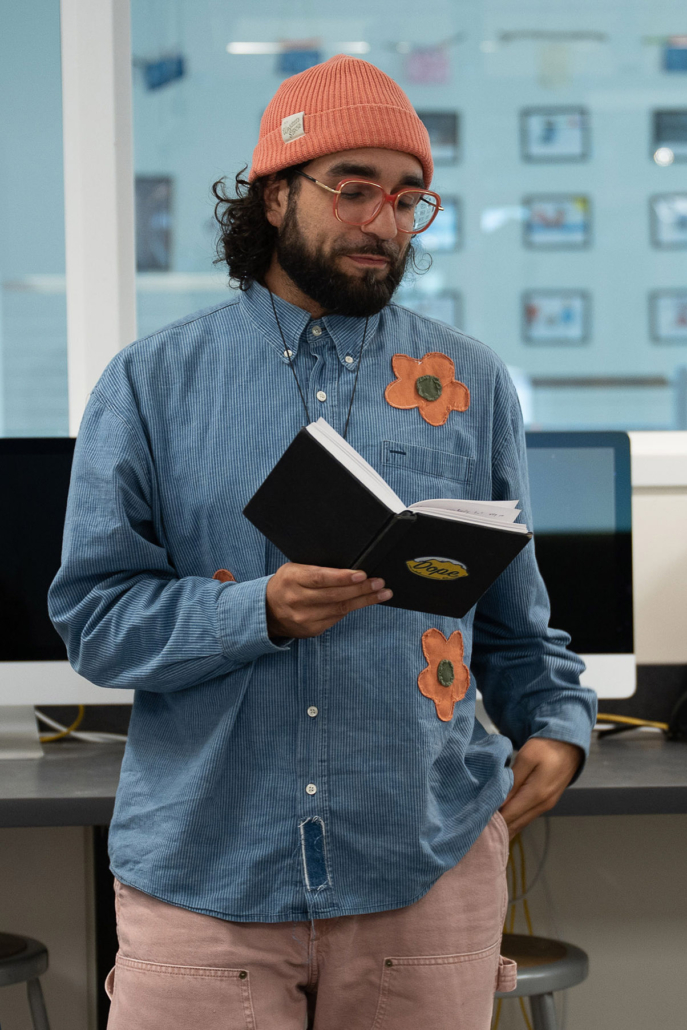
CAPTION: Performer and poet Febo participating in a full day Arts Elevate training program in August.

‘From Paper to Person: A Journey of Self-Expression’at Danny’s Place, Acton

ACTON, MA – When artist Shoni Hallock-Martin makes art with middle-schoolers at Danny’s Place in Acton, she’s intent on it being a very tactile experience. “Art is really getting smushed aside in this digital age,” she said. “I want these kids to get their hands dirty!”

And as the Stow artist well knows, making paper can get messy.

Shoni (who uses only her first name professionally) has designed her weekly program, titled “From Paper to Person: A Journey of Self-Expression,” to revolve around teaching 12- to 14-year-olds how to make and work with paper.

 “We’re using pulp to make paper and the pulp is almost like mud or sand,” she explained. “Just having that stuff plopped down in front of them sometimes inspires the kids to make other things  besides flat sheets of paper. One girl wanted to make a 3-D wolf sculpture out of the pulp, and I said, ‘Go for it.’ ”

Shoni’s fourth-, fifth- and sixth-grade students have fashioned their handmade paper into  personalized journals. They are also building unique little “mini-me” figures out of papier-mâché. The 12-week course will conclude with a final gallery presentation in mid-December.

And all the while, whether they realize it or not, these nine students are also learning more about themselves – knowledge that just might ease their transition to adulthood.

“From Paper to Person” was created for Arts Elevate, a pilot project supported by the Greater Lowell Community Foundation (GLCF) and designed to improve the health and wellness of adolescents in Greater Lowell.

“Making art helps you explain, yourself,” said Shoni. “This whole project is about working with paper to work out their identities.”

Launched this fall, GLCF’s pilot project, titled Arts Elevate: Embedded Community Artists for Youth Wellness in Greater Lowell, places four artists in 12-week residencies at nonprofit organizations in Concord, Lowell, Groton and Acton (at Danny’s Place), explained Jennifer Aradhya, GLCF’s Vice President of Marketing, Programs & Strategy. The Arts Elevate initiative was developed for Greater Lowell with lead funding from the Barr Foundation through its Creative Commonwealth Initiative.

“Danny’s Place was an ideal partner because they already understood what we’re trying to prove through Arts Elevate – that creative expression is a wellness strategy, not just an enrichment activity,” said Aradhya. “Shoni’s program shows how hands-on artmaking can become a vehicle for self-discovery during a developmental stage when young people are actively forming their identities.”

Making books, and especially journaling, helped Shoni when she was an adolescent. “Thinking about making art with young teens and improving their mental health, I remembered that I had started a ‘gratitude journal’ when I was about 11 and how much it helped me.

“There’s just something fun about making your own book and having this whole world encapsulated into an object that you can carry around with you. It’s nice to write down your thoughts – even small things as simple as, ‘My hair looked good today,’ ”

Shoni has kept up her gratitude journal as an adult. “I do it at the end of every day, right before I go to bed. It’s a time to reflect on things that made me happy. It lets me express a sense of appreciation before I go to sleep.”

This combination of lived experience and artistic creativity is what makes Shoni a good fit at Danny’s Place, explained Executive Director Katie Gorczyca. “If you’re asking the kids what they like about Shoni, they’d say, ‘She passes the vibe check,’ ” said Gorczyca, laughing.

“She’s young and has all this energy. She brings with her, not only artistic expertise, but her own stories of how art has helped heal her,” explained Gorczyca. “She certainly understands the power of art.”

Established in 2006 by the family of Danny McCarthy, who was killed in a car accident during his junior year in high school, Danny’s Place is a nonprofit, youth-services organization based in Acton.

Gorczyca, who is Danny’s sister, became executive director in 2018, and has a background in mental-health counseling and expressive therapies. Danny’s Place provides programing for ages 3 to 18 – from preschool to high school – in Acton, Boxborough and surrounding towns, she said.

“Our programs fall under three core areas: mental health & wellness, self-exploration & life skills, and leadership & community building. We serve more than 300 kids per year, and provide 45 to 50 programs annually, said Gorczyca.

“We do a lot of things and serve a big range of kids,” she added. “We like to say Danny’s Place is a third place: It’s not home, it’s not school. It’s a place where kids can come and meet each other, grow in confidence, and discover their authentic selves.”

While Shoni’s Arts Elevate classes are a new program for Danny’s Place, the concept of embracing and combining the creative process with youth wellness is not, Gorczyca explained. “That’s very much what we try to do all the time.”

Participating in Arts Elevates seemed like a great opportunity, she said. “We’re not doing clinical work with kids. We’re doing that upstream, preventative mental-health and wellness work. Our goals aligned so well with GLCF’s goals for this pilot project – it just felt like a true partnership.”

Ideally, it’s a collaboration that will continue to grow and benefit others, said GLCF’s Aradhya.

“The partnership with Danny’s Place demonstrates something crucial for our toolkit: You don’t have to start from zero to benefit from embedded artists,” Aradhya explained.

“Organizations already doing wellness work can deepen their impact by intentionally integrating professional artists. Shoni’s experience shows how that collaboration enhances both the artistic quality and the therapeutic value of youth programming.”

For more information about Danny’s Place, visit: https://www.dannys-place.org

For more information about the Greater Lowell Community Foundation Arts Elevate program, or to support this initiative, visit: https://www.glcfoundation.org/arts-elevate/.

###

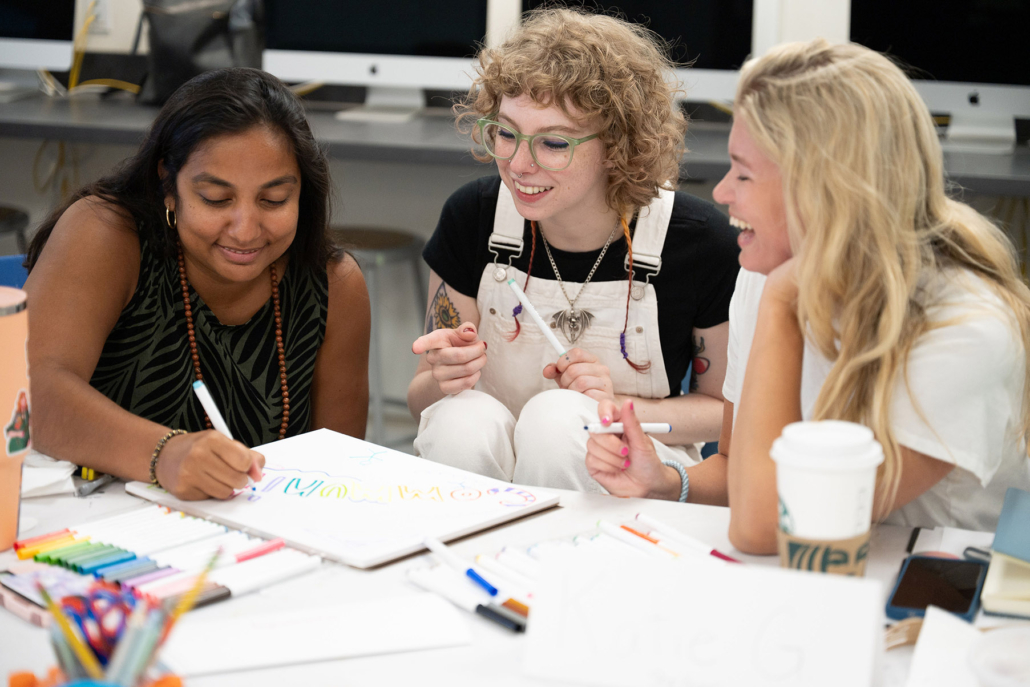
CAPTION: From left, Danny’s Place Programs Manager Kaeleigh De Silva, artist Shoni Hallock-Martin and Executive Director Katie Gorczyca participating in a full day Arts Elevate training program in August.

GLCF Announces 2025 Arts Elevate Equity Grant Awards Supporting Youth Wellness Through Creative Expression

Nine nonprofit organizations receive $45,000 in total funding to advance cultural identity, mental health, and community connection through artist-led projects

Lowell, MA – The Greater Lowell Community Foundation (GLCF) is pleased to announce the recipients of the inaugural Arts Elevate: Arts Equity Grants. Nine nonprofit organizations serving Greater Lowell communities have been selected to receive $5,000 each to support projects that engage youth, reflect cultural identity, and promote mental, emotional, and physical well-being through the arts.

The 2025 Arts Elevate Equity Grant recipients are:

  • Aaron’s Presents for Walk This Way: Arts, Identity, and Movement in Lowell
    A youth-led public art initiative inviting Lowell Public Schools to collaborate on custom-designed crosswalk murals. Building on a successful 2025 pilot with five installed murals, this project turns everyday infrastructure into vibrant platforms for youth voice and cultural storytelling.
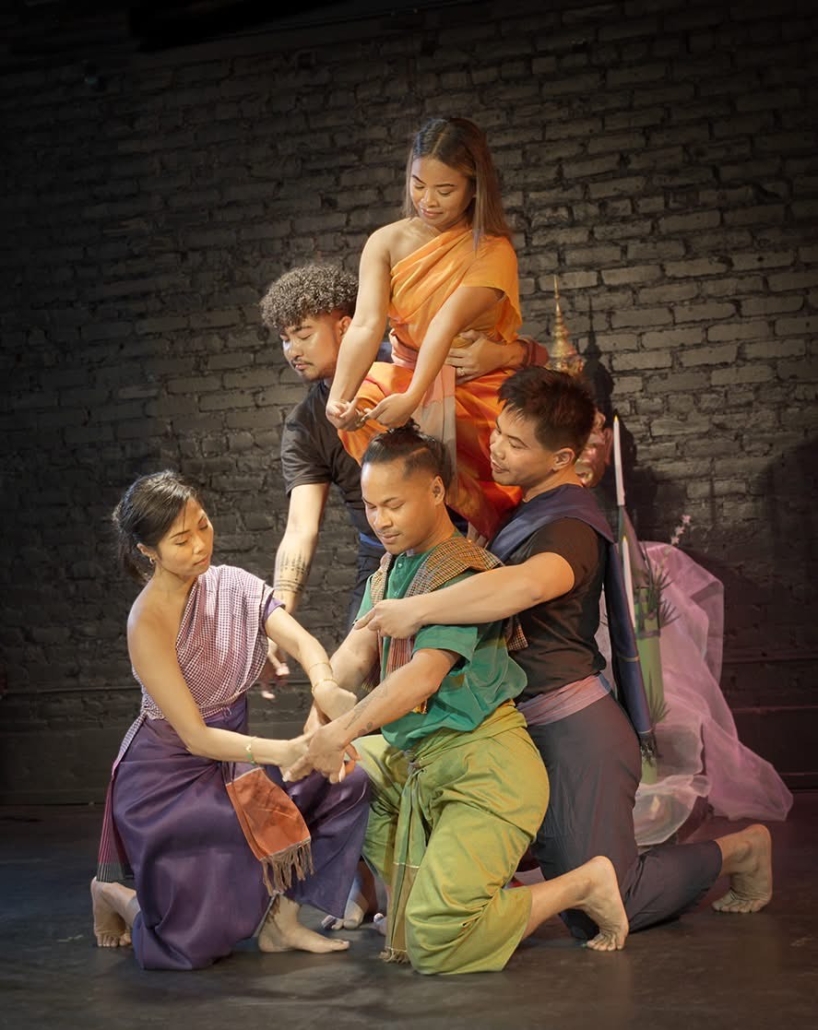
  • Angkor Dance Troupe for Confluence: Chakthok Pheloun
    A collaborative project blending traditional Khmer classical dance with contemporary movements to tell stories from the Cambodian diaspora. Serving Khmer-American youth ages 14 to 30 across seven communities, the program addresses cultural identity, post-colonialism, and social change while promoting mental and emotional well-being.
  • Artysh Lab Inc. for Artysh Lab Family Concerts in Greater Lowell
    An interactive classical music series introducing babies, toddlers, and families with children ages 0 to 5 to live music performances. Research-based programs designed by professional musicians and educators support early development, wellness, and cultural connection.
  • Boys & Girls Club of Greater Lowell for Salsa!
    An arts-based initiative using dance to advance social-emotional skills and physical health. The program leverages the club’s new Dance Studio and Community Center to support youth ages 10 to 13 across seven communities in achieving positive health and well-being outcomes.
  • Cambodian Mutual Assistance Association of Greater Lowell (CMAA) for Empowering Youth, Culture and Wellness Through Artist Led Projects: Yary Livan
    A twelve-class session program connecting Cambodian-American youth with the traditional art of Khmer ceramics. Working directly with artist Livan, participants strengthen their connection to cultural heritage while exploring identity, history, and cultural resilience.
  • The Cannon Theatre for Support for Youth Theater Programs
    Two annual theatrical productions—a full musical in winter and original work in summer—engage youth ages 8 to 17 from Devens and surrounding communities. Grant funding enables reduced or eliminated participation fees, making professional theater accessible to all young people.
  • Girls Incorporated of Greater Lowell for Our Place, Our Power
    A collaborative mural-making project where girls ages 10 to 18 participate in brainstorming and guided art workshops to co-create a safe, empowering space. The permanent mural reflects the organization’s mission to inspire all girls to be strong, smart, and bold.
  • Project LEARN, Inc. for Students Making Change Arts Exhibition & Photo Book
    A youth-led initiative featuring 25 Lowell High School students from diverse backgrounds collaborating to design antiracism trainings and community dialogues. The project culminates in a photobook featuring student portraits and personal statements on social justice topics.
  • Refuge Art School Inc. for Refuge Access Fund
    A year-round arts education initiative serving students ages 9 to 27 across Chelmsford, Dracut, Lowell, Tewksbury, and Tyngsboro. The program provides weekly classes blending rigorous technical training in visual arts and dance with individualized mentorship and student stipends.

“These projects exemplify the power of arts engagement to transform young lives,” shared Jennifer Aradhya, GLCF’s Vice President of Marketing, Programs & Strategy. “From traditional Khmer ceramics to contemporary dance, from community murals to theater productions, each grantee is creating pathways for youth to discover their creative voice, connect with their cultural identity, and strengthen their wellness. We’re honored to support this diverse range of creative expressions.”

The Arts Elevate: Arts Equity Grants program supports nonprofit organizations partnering with Greater Lowell artists to create projects that engage youth, reflect cultural identity, and promote mental, emotional, or physical well-being through the arts. GLCF defines the arts broadly to include all artistic disciplines—visual arts, music, dance, theater, film, spoken word, poetry, literary arts, multimedia, craft, and folk/traditional arts.

Arts Elevate is part of the Greater Lowell Community Foundation’s participation in the Barr Foundation’s Creative Commonwealth Initiative, designed to build, support, and sustain the regional arts sector.

“As youth studies report rising levels of stress and isolation, the arts present a timely and accessible path toward wellness for young people across our region,” said Aradhya. “These grants invest directly in proven projects that help young people discover what they are capable of, who they are, how they belong, and how they contribute to their communities.”

For more information about Arts Elevate or to support this initiative, visit glcfoundation.org/arts-elevate.

About Greater Lowell Community Foundation
Established in 1997, the Greater Lowell Community Foundation (GLCF) is a philanthropic organization comprised of more than 450 funds dedicated to improving the quality of life in 21 neighboring cities and towns. With financial assets of over $70 million, GLCF annually awards grants and scholarships to hundreds of worthy nonprofits and students. It is powered by the winning combination of donor-directed giving, personal attention from Foundation staff, and an in-depth understanding of local needs. The generosity of our donors has enabled the Community Foundation to award more than $40 million to the Greater Lowell community.

###

CAPTION: “A Journey Home, photo by James Higgins (2025); performed by Khmer Urban Ballet. Angkor Dance Troupe received an Arts Equity Grant to support Confluence:Chakthok Pheloun.

Greater Lowell Community Foundation Announces $200,000 Emergency Response to Food Insecurity Crisis

LOWELL, MA – Greater Lowell Community Foundation (GLCF) today announced a $200,000 emergency grant program to address acute food insecurity across its 21-community service area as Massachusetts families face an unprecedented convergence of threats to food security.

The emergency funding responds to multiple simultaneous crises: the federal government shutdown threatening SNAP benefits for over 1.1 million Massachusetts residents, dramatic cuts to food bank funding, and new eligibility restrictions projected to eliminate benefits for approximately 150,000 state residents. With winter approaching—when heating costs compete with food budgets—the need for immediate action has never been more urgent.

“Families in our communities are facing impossible choices between heating their homes and putting food on the table,” said Jay Linnehan, President and CEO of Greater Lowell Community Foundation. “This emergency funding represents an immediate, comprehensive response to ensure no family in our region goes hungry during this crisis.”

The $200,000 initiative includes a $100,000 grant from an anonymous donor, demonstrating unprecedented philanthropic collaboration in response to community need. Grants will be distributed immediately to 14 organizations serving all 21 communities in GLCF’s service area.

“Thanks to GLCF, this generous grant means the world to the Merrimack Valley Food Bank and will make a real difference in our fight against hunger, especially during such a critical time,” said Debbie Callery, Executive Director, Merrimack Valley Food Bank.Because of this funding, we can get more food to the people in our community who need it most.” 

Strategic Distribution Framework:

The program employs a three-tier approach ensuring both regional efficiency and community-specific support:

  • Regional Support ($50,000): Merrimack Valley Food Bank receives the largest allocation, leveraging its 8:1 purchasing power multiplier to convert the investment into $400,000 in food value through wholesale purchasing, donated goods pipelines, and federal commodity programs.
  • Multi-Community Organizations ($74,000): Five organizations serving multiple communities receive substantial support, including The Open Pantry of Lowell ($32,000), Loaves & Fishes Food Pantry ($20,000), Dwelling House of Hope ($10,000), St. Paul’s Soup Kitchen ($10,000), and Humane Society of Greater Lowell ($2,000).
  • Community-Specific Programs ($76,000): Nine town-based organizations ensure comprehensive coverage across GLCF’s entire service area, with grants ranging from $1,000 to $10,000 based on community size and organizational capacity.

The emergency grants will enable immediate expansion of services including extended pantry hours, increased food distribution, emergency meal programs, and enhanced support for vulnerable populations including seniors, families with children, and individuals with disabilities.

“This is not business as usual—this is an emergency response to an emergency situation,” explained Jennifer Aradhya, GLCF’s Vice President of Marketing, Programs & Strategy.  “By working with established community partners who can deploy resources immediately, we’re ensuring help reaches families who need it most, right now.”

The initiative builds on GLCF’s longstanding commitment to addressing food insecurity in the Merrimack Valley region, where poverty rates range from 16% in Lowell to lower rates in surrounding communities, but where all residents face the same federal policy changes threatening food security.

Organizations receiving emergency funding include regional anchors and community-specific programs across all 21 GLCF communities: Acton, Ashby, Bedford, Billerica, Boxborough, Carlisle, Chelmsford, Dracut, Dunstable, Groton, Littleton, Lowell, Pepperell, Shirley, Tewksbury, Townsend, Tyngsborough, Westford, and Wilmington.

About Greater Lowell Community Foundation
Established in 1997, the Greater Lowell Community Foundation (GLCF) is a philanthropic organization comprised of more than 450 funds dedicated to improving the quality of life in 21 neighboring cities and towns. With financial assets of over $70 million, GLCF annually awards grants and scholarships to hundreds of worthy nonprofits and students. It is powered by the winning combination of donor-directed giving, personal attention from Foundation staff, and an in-depth understanding of local needs. The generosity of our donors has enabled the Community Foundation to award more than $40 million to the Greater Lowell community.

###

CAPTION: Sam Speciale, of Lowell, unloading fresh produce at the Merrimack Valley Food Bank (MVFB). MVFB was the recipient of a recent food insecurity grant to support Greater Lowell.

Arts Elevate Pilot: Filmmaking at The Umbrella Arts Center, Concord

By Kathy Register

CONCORD, MASS. Teaching middle-schoolers how to make movies is a recipe for successful creative collaboration, according to freelance filmmaker and educator Tom Flint.

“I think making films is where kids are at right now,” said Flint, who leads filmmaking workshops for about 30 11- to 14-year-olds at The Umbrella Arts Center in Concord. “With their media literacy, and so many electronics at their fingertips, these kids can now tell stories through images – and everyone can benefit.”

Flint has designed and directed a series of three, free moviemaking courses for middle-school students at The Umbrella, as part of Arts Elevate, a pilot project supported by the Greater Lowell Community Foundation (GLCF). In addition to helping them discover the fun and accessibility of moviemaking, Flint’s workshops were also formulated to have a positive impact on the health and wellness of his young students.

“I enjoy engaging with kids at this age – not to encourage them to become filmmakers or to go into the industry,” he explained. “Rather, I want to introduce them to the medium of film, so they can see where it may take them in terms of story-telling and creative problem-solving.”

And it may not always be easy, Flint added. “In these co-creative workshop opportunities, the kids are being challenged – filmmaking is reallydifficult. And no matter how much you plan ahead, the film never turns out the way you thought it would.

“But that’s a good thing,” he stressed. “I think middle-schoolers need to run up against those kinds of challenges.”

Launched this fall, GLCF’s pilot project, titled Arts Elevate: Embedded Community Artists for Youth Wellness in Greater Lowell, placed four artists in 12-week residencies at nonprofit organizations in Lowell, Groton, Acton and Concord (at The Umbrella Arts Center), explained Jennifer Aradhya, GLCF’s Vice President of Marketing, Programs & Strategy. The Arts Elevate initiative was developed for Greater Lowell with lead funding from the Barr Foundation through its Creative Commonwealth Initiative.

“As adolescents report rising levels of stress and isolation across the country, we needed to create timely and accessible pathways to wellness,” said Aradhya. “Arts Elevate recognizes that when young people engage in creative expression, they discover who they are and how they belong.

“Tom’s workshops at The Umbrella Arts Center demonstrate how powerful these creative opportunities can be for middle-schoolers navigating this critical developmental period,” she said.

Located in downtown Concord, in the old Emerson School building, The Umbrella Arts Center is a nonprofit regional multi-disciplinary arts center, serving Concord and surrounding towns, according to Rebecca Campbell-McGonagle, Education Program Manager.

“We offer arts education and classes in the arts. We have more than 55 artists in the building renting studio space. We host concerts, show films, stage theater productions, and run summer programs for children,” she said. “We serve all ages, from infants in child-and-caregiver classes, up through adults. Last year, The Umbrella had over 4,600 registrations in 327 distinct class offerings.”

Flint’s film workshops are geared toward students in grades 6 through 8, and provide iPads for the kids to shoot their movies. “We wanted very much for these workshops to NOT be too advanced, technologically, for the students,” stressed Campbell-McGonagle.

The iPads snap into sturdy, hand-held cases, that are easy for the kids to use. “For example, when using an iPad to film, if you want a close-up shot, you just walk in closer to your subject,” she said.

“I like to think of the camera as an extension of themselves,” added Flint. “We want them to experiment with the way they see things.”

Based in Lincoln, on the farm where he grew up, Flint also runs Filmbuilding, a program that “curates filmmaking experiences that promote cross-cultural exchange” for all ages. He has worked with a variety of businesses, towns and community groups, and began teaching filmmaking at the Umbrella in 2020.

“Tom was one of the first teachers to come back and lead a workshop post-Covid, when students were really needing to get out and get back together,” said Campbell-McGonagle. “At that point, we were very interested in getting more of our students to engage creatively with technology.”

When GLCF’s grant-funded Arts Elevate pilot project became available, The Umbrella Arts Center staff realized it could be the perfect opportunity to explore what types of film classes might attract middle-schoolers, Campbell-McGonagle explained.

“Through Arts Elevate, and with Tom’s expertise, we came up with several different filmmaking workshops, offered at different times and days of the week,” she said.

Flint’s workshops include:

Hands-On Moviemaking I, a four-week after-school program that met one day a week for two hours in October. Students learned about early film history, and innovative filmmaking techniques from this period through the co-creation of their own group short films.

Hands-On Moviemaking II met all day on Saturdays over four weeks in October and November. Students made a collection of three short films with footage from each of the four class sessions, which included field trips to DeCordova Sculpture Park in Lincoln and  the Old North Bridge in Concord.

Reel Adventures takes place over one December weekend – Friday evening, and all-day Saturday and Sunday. Kids attend all three days and create one film over the weekend. 

All filmmaking workshops will culminate in a mid-December Red-carpet Screening Premiere, when students, parents and guests gather to view all films created as part of the program. It should be a valuable learning experience for everyone involved, said Campbell-McGonagle.

“After this pilot program, we’re hoping to learn, ‘Is there an audience for film workshops at The Umbrella? Are people excited about it? Should we start film clubs; a student film festival? Should we expand our work with other towns and communities around filmmaking?’ We’re trying to test which models work best for continuing this film curriculum – especially for this demographic.”

The concept of experimentation and documentation, with an eye toward expanded programming, is one key element of the Arts Elevate pilot, said GLCF’s Aradhya.

“This pilot program is much more than just four embedded-artist programs. We’re documenting everything – what works, what challenges arise, what outcomes we’re seeing – so we can create a toolkit that will help other organizations replicate this model,” she explained.

“Tom’s journey with these Umbrella students will inform how arts-based wellness programs can be implemented in nonprofits across the region and beyond.”

For more information about The Umbrella Arts Center, visit: https://theumbrellaarts.org

For more information about the Greater Lowell Community Foundation Arts Elevate program, or to support this initiative, visit: https://www.glcfoundation.org/arts-elevate/.

###

About Greater Lowell Community Foundation – Established in 1997, the Greater Lowell Community Foundation (GLCF) is a philanthropic organization comprised of more than 400 funds dedicated to improving the quality of life in 21 neighboring cities and towns. With financial assets of almost $60 million, GLCF annually awards grants and scholarships to hundreds of worthy nonprofits and students. It is powered by the winning combination of donor-directed giving, personal attention from Foundation staff, and an in-depth understanding of local needs. The generosity of our donors has enabled the Community Foundation to award more than $35 million to the Greater Lowell community.

###

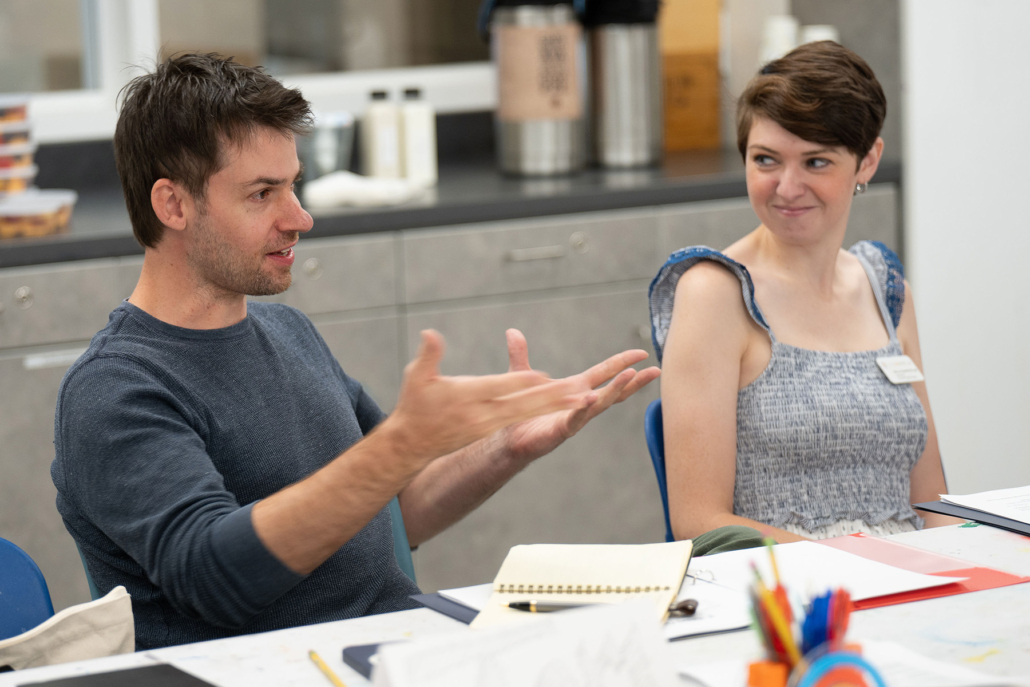
CAPTION: From left, freelance filmmaker and educator Tom Flint with Umbrella Arts Center Education Program Manager Rebecca Campbell-McGonagle participating in a full day Arts Elevate training program in August.

New Survey Reveals Severe Impact of Federal Funding Cuts on Greater Lowell Nonprofits

74% of Local Organizations Affected; Five Lost More Than A Quarter of Total Operating Budget

LOWELL, MA –The Greater Lowell Community Foundation (GLCF) today released findings from a comprehensive survey revealing the significant impact of recent federal funding cuts on the region’s nonprofit sector. Of the 31 responding organizations, nearly three-quarters (74%) report being directly or indirectly affected by federal budget reductions, with the majority unable to replace lost funding.

The survey, conducted in September 2025, found that 16 organizations experienced direct federal funding cuts, while an additional seven reported indirect impacts. Five organizations lost more than 25 percent of their total operating budget, forcing difficult decisions about programs and staffing.

Key Findings:

  • Widespread Impact: Twenty-three of 31 responding organizations (74%) experienced direct or indirect impacts from federal cuts
  • Severe Budget Losses: Five organizations lost more than 25 percent of their total budget; three lost more than half
  • Inability to Replace Funding: Ninety-one percent of affected organizations have not been able to fully replace lost federal dollars
  • Operational Consequences: Eleven organizations eliminated programs entirely, while nine reduced staffing or staff hours
  • Vulnerable Populations Most Affected: Low-income families, immigrants, children and youth, individuals with disabilities, and seniors face reduced services

Organizations rated the overall impact at an average of 2.81 on a 5-point scale, with nearly one-third reporting moderate to severe effects on their ability to serve the community.

“These findings paint a concerning picture of our nonprofit sector’s capacity to serve our most vulnerable residents,” said Jay Linnehan, President and CEO of the Greater Lowell Community Foundation. “As we enter the holiday season, I encourage our community to consider giving locally to organizations that serve Greater Lowell. Every donation, no matter the size, helps fill the critical gap left by federal funding cuts and ensures our neighbors have access to the services they need. Local giving has never been more important.”

The survey revealed that organizations are attempting to offset losses through increased foundation grants (18 organizations), individual donations (13), and special events (13). However, this shift creates additional administrative burden at a time when capacity is already strained, and intensifies competition for limited private funding sources.

Low-income families emerged as the most affected population, cited by seven organizations, followed by immigrants and undocumented individuals (5), children and youth (3), individuals with disabilities (3), and seniors (2).

Among the operational impacts reported:

  • Fifteen organizations increased fundraising efforts
  • Eleven reduced client capacity or waitlisted individuals
  • Eleven eliminated programs entirely
  • Nine reduced staff, hours, or left positions unfilled
  • Two deferred facility maintenance or capital projects

“The ripple effects of these cuts extend far beyond budget spreadsheets,” said GLCF VP Jennifer Aradhya “Every program eliminated and every position left unfilled means real people in our community going without critical support. As Greater Lowell’s community foundation, we’re committed to helping our nonprofit partners navigate these challenges, but we need all sectors – government, business, and philanthropy – working together to address this growing crisis.”

The survey results come at a time when demand for nonprofit services continues to increase, creating a widening gap between community needs and available resources. GLCF is using these findings to inform its grantmaking strategy and advocacy efforts, and to facilitate conversations among nonprofit leaders about collaborative approaches to sustainability.

For more information about the survey findings or to learn how to support Greater Lowell nonprofits, visit www.glcfoundation.org or contact the Greater Lowell Community Foundation at 978-970-1600.

For an executive summary of the survey data: click here.

###

About Greater Lowell Community Foundation
Established in 1997, the Greater Lowell Community Foundation (GLCF) is a philanthropic organization comprised of more than 450 funds dedicated to improving the quality of life in 21 neighboring cities and towns. With financial assets of over $70 million, GLCF annually awards grants and scholarships to hundreds of worthy nonprofits and students. It is powered by the winning combination of donor-directed giving, personal attention from Foundation staff, and an in-depth understanding of local needs. The generosity of our donors has enabled the Community Foundation to award more than $40 million to the Greater Lowell community.

P

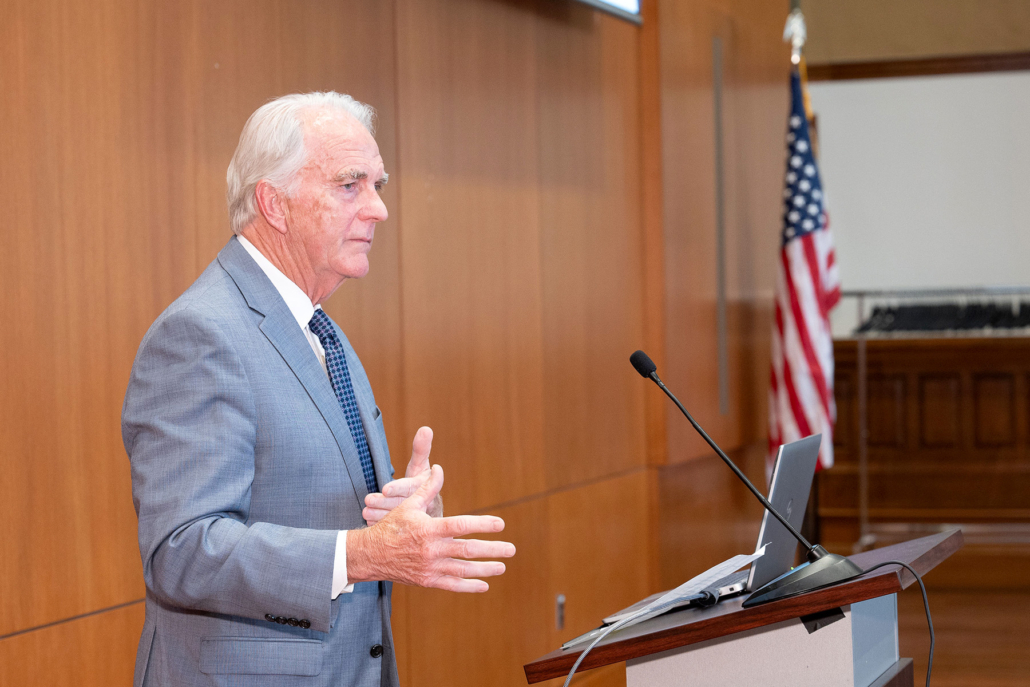
CAPTION: GLCF President and CEO Jay Linnehan at this year’s Annual Meeting. GLCF released findings from a recent survey to determine the Impact of Federal Funding Cuts on Greater Lowell Nonprofits.

‘Me, Myself & Art’ at The Prescott Center, Groton

By Kathy Register

Artist Andrea Wilson welcomed the chance to make art with young teenagers at Groton’s Prescott Center – especially with the goal of improving youth wellness through creative engagement.

“I just love middle school, it’s this unique little moment in time with big changes,” said Wilson. “Lots of people say it’s a hard age group to work with, and it can be. But in general, these are just kids who are becoming themselves. It’s so nice to be part of that process – to witness and help nurture them along in finding themselves and their voices.”

Wilson designed and leads “Me, Myself & Art,” a 12-week, after-school program for sixth-, seventh- and eighth-graders, focusing on journaling and self-portraiture. “The focus is on self-portraiture, but with an evolution from strict portraiture into more abstract art, as the kids continue to express themselves,” she explained.

Her class was created around the idea that making art can have a positive impact on the health and wellness of Wilson’s 12- to 14-year-old students. This program is part of Arts Elevate, a pilot project supported by the Greater Lowell Community Foundation (GLCF).

“I think art works well with middle-schoolers because it’s unstructured,” explained Wilson. “There’s no right or wrong. Sometimes, teens are used to having to do things in a certain way. They feel like they have to act a certain way, or look a certain way. This art class is a chance to just exist. Students can come as they are and feel like that’s good enough.”

Launched this fall, GLCF’s pilot project, titled Arts Elevate: Embedded Community Artists for Youth Wellness in Greater Lowell, is a program that incorporates four artists embedded in four nonprofit organizations in Acton, Concord, Lowell and Groton (at The Prescott Center), explained Jennifer Aradhya, GLCF’s Vice President of Marketing, Programs & Strategy. The Arts Elevate initiative was developed for Greater Lowell with lead funding from the Barr Foundation through its Creative Commonwealth Initiative.

“As adolescents report rising levels of stress and isolation, we needed to create timely and accessible pathways to wellness,” said Aradhya. “Arts Elevate recognizes that when young people engage in creative expression, they discover who they are and how they belong.

“Andrea’s work at The Prescott Center shows exactly how powerful that can be for middle schoolers navigating such a critical developmental period,” she said.  

“Me, Myself & Art” is an innovation for The Prescott Center, according to Executive Director Megan Donovan. “This program is new for us. It’s serving up art in a way that can address youth wellness,” she said.

Plus, the middle-school years are considered one of the most important periods in a child’s social development, she added. “So, we really want to develop more programming for this age group – which is typically going through a lot of ups and downs, with lots of changes in their bodies and lives.”

GLCF seeks to raise funds to enable Arts Elevate to be scaled and shared with more nonprofits and artists in the future – and, ideally, reach more and more adolescents, stressed Aradhya.

“This Arts Elevate pilot is about more than just four embedded-artist programs. We’re documenting everything – what works, what challenges arise, what outcomes we’re seeing – so we can create a toolkit that will help other organizations replicate this model,” she explained. “Andrea’s journey with these students will inform how arts-based wellness programs can be implemented in nonprofits across the region and beyond.”

For Wilson, who also teaches art at Groton’s middle school, the idea of centering her weekly Arts Elevate project around journaling and self-portraiture made perfect sense.

“We knew that GLCF’s goal was to use the arts as a vehicle to allow these kids to express their emotions in a positive way,” explained Wilson. “So, I thought, ‘What better way to see yourself than through a self-portrait?’ ”

Her class began in September with students making accordion-folded journals. “They’re sketchbooks really,” Wilson said. “We start every class with 15 to 20 minutes of painting an ‘emotional landscape’ of how the kids are feeling at that moment in time.

“This doesn’t need to be a literal landscape,” she added. “It can also be a quick show of color, based on how they’re feeling. It’s a nice documentation of where they are, emotionally, when they start class that day.”

As the students have continued expressing themselves over the weeks, their artwork has gradually evolved from traditional portraits into more abstraction. “These kids are artists. They’re doing all sorts of different things to communicate back, and share their emotional layers with others.

“My overall goal is that they look to art as a way to fill an emotional need,” said Wilson. “And that can be because maybe they’re happy, so they’ll paint. Or, maybe if they’re angry they will paint. I think all art is expressing yourself.”

“Me, Myself & Art” will conclude with a student-curated Art Show on Dec. 12. “I knew that I’d like these journals to be in the art show,” Wilson explained, “so we intentionally made them accordion-folded, like Japanese books, so they could be displayed as a piece.”

The journals continue to impress Presscott’s executive director. “The quality of work I’ve seen so far in their accordion journals is really fantastic,” said Donovan. “This could be an adult class I’m looking at.”

And the timing couldn’t be better, she added. “I feel this is such an important program to be offering right now. It’s not just unique and interesting for the kids. But, it’s also really important for them to be exploring these emotions, right now, at this age,” said Donovan.  

“This final Student Art Show will be much more than an art exhibition. It will be a look into their  emotional journey.”

For further information about The Prescott Center, visit:https://prescottscc.reg.eleyo.com

For further information about the Greater Lowell Community Foundation Arts Elevate program, or to support this initiative, visit: https://www.glcfoundation.org/arts-elevate/.

###

About Greater Lowell Community Foundation
Established in 1997, the Greater Lowell Community Foundation (GLCF) is a philanthropic organization comprised of more than 450 funds dedicated to improving the quality of life in 21 neighboring cities and towns. With financial assets of over $70 million, GLCF annually awards grants and scholarships to hundreds of worthy nonprofits and students. It is powered by the winning combination of donor-directed giving, personal attention from Foundation staff, and an in-depth understanding of local needs. The generosity of our donors has enabled the Community Foundation to award more than $40 million to the Greater Lowell community.

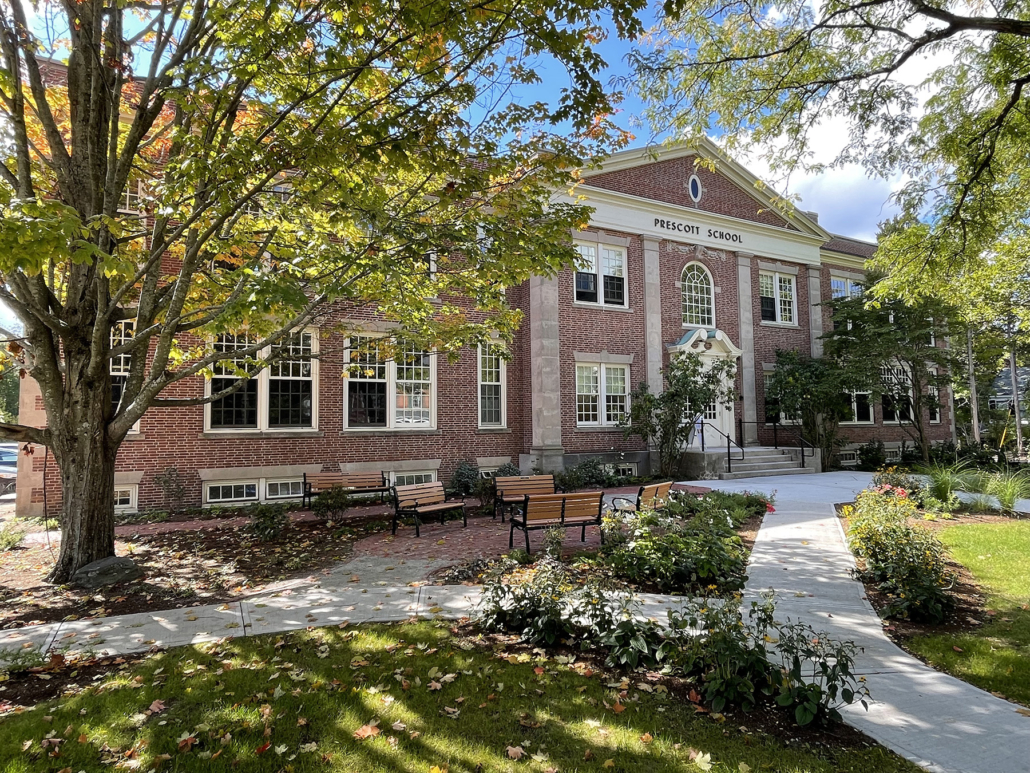
CAPTION: The Groton Prescott Center is a pilot site for GLCF’s Arts Elevate: Embedded Community Artists for Youth Wellness in Greater Lowell.

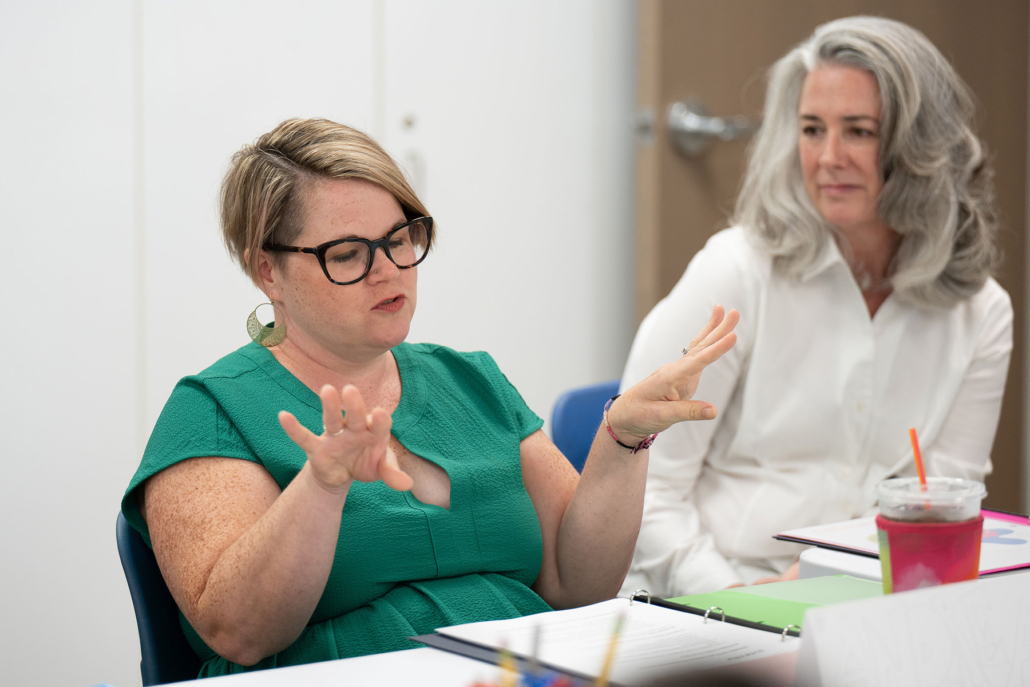
CAPTION: From left, artist Andrea Wilson with Prescott Center executive director Megan Donovan participating in a full day Arts Elevate training program in August.

CAPTION: The Groton Prescott Center is a pilot site for GLCF’s Arts Elevate: Embedded Community Artists for Youth Wellness in Greater Lowell.